标签归档 广州阡陌同城

[Poverty alleviation in action] How to get rich without returning to poverty after poverty alleviation? Yuexi people are answering this question!

  Cctv news(Reporter Kong Hua) On February 12 this year, the General Secretary of the Supreme Leader pointed out at the symposium on fighting poverty accurately that "the poor people are not only the targets of poverty alleviation, but also the main body of poverty alleviation."

  At present, poverty alleviation has entered the decisive battle stage. While gnawing hard bones, how can we ensure that poor households who have been lifted out of poverty can get rich without returning to poverty? In Yuexi County, Anhui Province, the hinterland of Dabie Mountain, cadres and masses struggling to get rid of poverty are answering this difficult question. 

  A vineyard, attracting 23 poor households to get rid of poverty. 

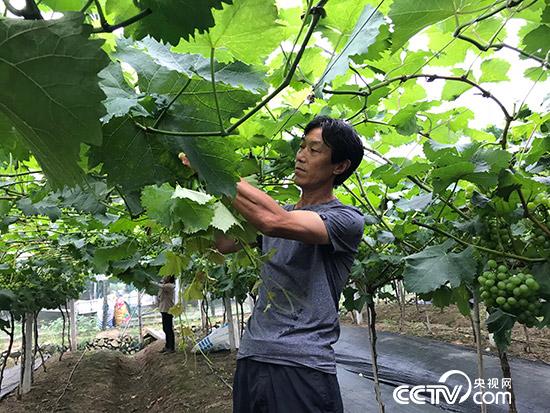
Yang Qianzhao can earn 100 yuan by working in a vineyard for a day. (Kong Hua/photo)

  Yuexi County, located in the hinterland of Dabie Mountain and the southwest border of Anhui Province, has always been the county with the largest poverty population, the largest poverty area and the deepest poverty among the 29 national poverty-stricken counties in Anhui Province and Dabie Mountain area. In 2014, the registered population in rural areas was 361,935. When the card was established, there were 36,367 poor households with 110,473 people and 65 poor villages, and the incidence of poverty was 30.5%. Eight consecutive provincial party Committee secretaries have regarded Yuexi County as the contact point for poverty alleviation.

  Since General Secretary of the Supreme Leader put forward "precise poverty alleviation" in November 2013, the poverty alleviation work in Yuexi has entered a new stage, with a number of precise poverty alleviation measures reaching villages and households, and poor households in the past embarked on the road of getting rid of poverty and becoming rich.

  Yang Qianzhao, who lives in Wangfan Village, Maojianshan Township, is one of them.

  In 2010, Yang Qianzhao, who was in his prime, was diagnosed with gastric cancer, and his stomach was removed by four fifths. At that time, one of the two children in the family went to high school and the other went to junior high school. The sensible eldest daughter dropped out of school to work for her younger brother to go to school. Yang Qianzhao’s wife raised silkworms and planted tea at home, making it difficult to maintain her family. At the end of 2014, Wang Yu, who married in Changshu, Jiangsu Province, brought planting technology from her hometown, transferred nearly 400 mu of land and planted grapes and peaches, which not only promoted the rural tourism industry in Wangfan Village, but also absorbed 23 poor households to get rid of poverty at home.

  Wang Yu’s vineyard is only five or six hundred meters away from Yang Qianzhao’s home, and it takes 10 minutes to walk. Yang Qianzhao works in the vineyard all the year round. During the grape picking season, his wife and eldest daughter also work in the vineyard whenever they have time. Last year, the three members of the Yang family earned more than 40,000 yuan in the vineyard, and also used the interest-free financial poverty alleviation policy to borrow 30,000 yuan to expand the scale of sericulture.

  Yang Qianzhao said that the eldest daughter has found a fixed job in a company, and the younger son has also used the summer vacation to work and study on the university campus. The life of the family will definitely get better and better.

  After ex situ poverty alleviation and relocation, I can still work downstairs after living in a new house.

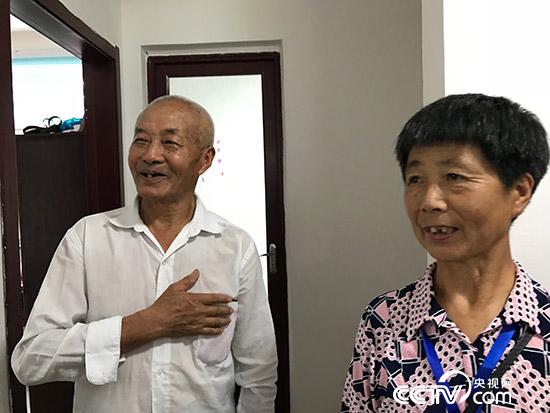
 Wang Renquan and his wife moved into a new house and got a job. (Kong Hua/photo)

  Not only Yang Qianzhao, but also Wang Ren, a poor household over 70 years old, is getting better and better.

  The old couple of Wangs are in poor health. They used to live on the hillside, with inconvenient transportation and meager income. Their son has not found a wife at the age of 47. In order to completely help the Wangs get rid of poverty and become rich, the local government planned to relocate to help the poor. How to move out, stay and get rich? The local government chose Chengguan, which is only 3.5 kilometers away from the county seat, as the centralized resettlement site, and leased the first floor of the resettlement building to a luggage factory from China Merchants. In this way, poor households living in the resettlement site can go downstairs to work, earn money and share the rent at the end of the year.

  In August last year, the Wangs moved into a new house of 75 square meters (no public share). Wang Renquan and his wife worked in the poverty alleviation workshop on the first floor opposite. They folded bags and cut thread ends, which added up to more than 2,000 yuan a month. My son also found a job in a tofu shop. Last year, the Wangs got rid of poverty.

  "In the past, I made money by planting tea and vegetables. I earned only a few thousand yuan a year. Now I am much stronger, and I live much better than before. I don’t have to carry water to eat, I can’t finish the vegetables I planted, and I don’t worry about water leakage when it rains. It is much more comfortable than before." Wang Renquan’s wife said.
  Do everything possible to fight poverty and seek wealth. From 2014 to 2017, Yuexi County has made remarkable achievements in the battle against poverty in the past four years: all 65 poverty-stricken villages have been listed, and more than 100,000 poor people have been lifted out of poverty. At present, there are only 3,500 poor people, and the incidence of poverty has dropped to 0.967%.

  Can people out of poverty get rich without returning to poverty?

  Faced with this problem, Liu Yawei, secretary of the Party Committee of Maojianshan Township, said, "We are very confident in solving this problem, not only because of the good policies of tackling poverty and precision poverty alleviation in the previous period, but also because our countryside has ushered in the promotion of the rural revitalization strategy, and a large wave of policy packages are on the way. The countryside will certainly be more beautiful, and farmers, including poor households, will certainly be richer."

The emblem of Beijing Winter Olympics was released. What other beautiful emblems are there?

  BEIJING, Beijing, December 15 (Xinhua) Tonight, the emblem of the Beijing 2022 Winter Olympics and the emblem of the Winter Paralympics were officially unveiled. The Winter Olympic Games has been successfully held for 22 times so far. In the 93-year history of the Winter Olympics, countless classic emblems have been born.

  The emblem of the Winter Olympic Games is the Olympic emblem of a Winter Olympic Games, also known as the emblem of the Winter Olympic Games. The organizing committee of the Winter Olympic Games has designed a unique emblem for the Olympic Games. What other beautiful emblems are there in previous Winter Olympics?

  The 1st Chamonix Winter Olympics in 1924

  Time: January 25th, 1924-February 4th, 1924.

  Venue: Chamonix, France

  The emblem of the 1924 Chamonix Winter Olympic Games in France showed the particularity of the first Winter Olympic Games. Its name at that time was International Winter Sports Week. The title of the first Winter Olympic Games was ratified by the International Olympic Committee several years later. Whether it is a five-person sleigh or an eagle with wings, it embodies the realistic characteristics of the emblem of the early winter Olympic Games.

  The 2nd St Moritz Winter Olympics in 1928

  Time: February 11, 1928-February 19, 1928

  Venue: Saint Moritz, Switzerland

  The main logo of the 1928 Winter Olympic Games in St Moritz, Switzerland is the Swiss flag fluttering in the wind and the flag of the International Olympic Committee. Against the beautiful Alps, the blue background not only represents the clear blue sky of Switzerland, but also symbolizes the purity of the international Olympic movement and the peace and friendship of the people of the world.

  The 3rd Winter Olympics in Lake Placid in 1932

  Time: February 4, 1932-February 15, 1932

  Venue: Lake Placid, USA

  Lake Placid, like a natural mirror in winter, shines with Olympic light in the natural forest area in upstate New York, USA. This small town with a population of less than 2,000 has successfully hosted two Winter Olympic Games. The emblem of Lake Placid Winter Olympic Games in 1932 is a silhouette of a platform skier in the foreground, with a map of the United States showing the location of Lake Placid in the background.

  The 4th Gamisch-Partenkirchen Winter Olympics in 1936

  Time: February 6, 1936-February 16, 1936

  Venue: Garmisch-Partenkirchen, Germany

  The emblem of the 1936 Gamisch Partenkirchen Winter Olympic Games in Germany not only embodies the characteristics of winter sports, but also has the characteristics of the host country. The Olympic five-ring symbol, the Alps and a slide through the mountains together form a circle.

  The 5th St Moritz Winter Olympics in 1948

  Time: January 30, 1948-February 8, 1948

  Venue: Saint Moritz, Switzerland

  In 1948, St Moritz ushered in its second Winter Olympic Games, which was the first Olympic Games resumed after the Second World War. The design of the emblem was also full of the sense of the times at that time. The sun in the emblem brought infinite light, and the Olympic rings were marching towards new ideals and light on the new runway.

  The 6th Oslo Winter Olympics in 1952

  Time: February 14, 1952-February 25, 1952

  Venue: Oslo, Norway

  The Sixth Winter Olympic Games was held in Oslo, the capital of Norway, which was the first time that the Winter Olympic Games was hosted by a national capital. Because this Olympic emblem represents a public theme, it stands out from 335 design schemes. The main body of the emblem is a perfect circle containing five rings, and the external outline of the new Oslo City Hall. The sixth winter Olympic Games is printed with a ring on the outside of the circle. Oslo. 1952 "and other words.

  The 7th Winter Olympics in Cotina Danpezzo in 1956

  Time: January 26th, 1956-February 5th, 1956.

  Venue: Nadam Pezzo, Corthie.

  The Olympic Games has given every host city new vitality, and the emblems of the two Italian Winter Olympics are more like the image advertisements of the host city. In 1956, the emblem of Cotina Dempezzo Winter Olympic Games in Italy adopted the traditional icon of the Winter Olympic Games — — Snowflakes are used as ornaments, and the towering Alps are adorned with the logo of the Italian Olympic Committee, with five rings and a five-pointed star, which means that the Olympics come to the mountain city. Although the sports meeting is held in the cold winter, beige makes people feel warm and comfortable, and a warm tourist city image appears in front of the world.

  The 8th squaw valley Winter Olympics in 1960

  Time: February 18th, 1960-February 28th, 1960.

  Location: squaw valley, USA

  The emblem of the 1960 Squaw Valley Winter Olympic Games in the United States consists of three triangles in the color of the American flag and the Olympic rings. The three-dimensional effect produced by the superposition of several triangles makes it look like the crystallization of a star or a snowflake.

  The 9th Innsbruck Winter Olympics in 1964

  Time: January 29th, 1964-February 9th, 1964.

  Venue: Innsbruck, Austria

  Innsbruck, Austria, is the second city to host two Winter Olympic Games after St Moritz, and the emblems of the two Winter Olympic Games also show strong consistency. The emblems of the two Winter Olympics in Innsbruck in 1964 and 1976 are strikingly similar. The two bridges surrounded by Innsbruck are slightly different in details. At the Ninth Winter Olympic Games in 1964, it symbolized the connection of the new old town of Innsbruck under the Olympic flag.

  The 10th Grenoble Winter Olympics in 1968

  Time: February 6, 1968-February 18, 1968

  Venue: Grenoble, France

  Roses have a special meaning in Grenoble. The city emblem of the city is marked by three red roses, which symbolizes the three characteristics of industry, culture and education, tourism and winter sports here. The three red roses surrounded by snowflakes in the emblem are not only the city emblem of the ancient city of Grenoble, but also symbolize the local industry, culture, education and winter sports.

  The 11th Sapporo Winter Olympics in 1972

  Time: February 3, 1972-February 13, 1972

  Venue: Sapporo, Japan

  The 11th Winter Olympics was held in Sapporo, Japan, which was the first Winter Olympics held in Asia. This emblem consists of three independent symbols, including the symbol representing Japan — — The rising sun; Snowflake, the symbol representing winter, and the five rings containing the words "Sapporo" and "72".

  The 12th Innsbruck Winter Olympics in 1976

  Time: February 4, 1976-February 15, 1976

  Venue: Innsbruck, Austria

  Innsbruck, Austria, is the second city to host two Winter Olympic Games after St Moritz, and the emblems of the two Winter Olympic Games also show strong consistency. In the 12th Winter Olympic Games in 1976, its significance was even broader. It united the people of all nationalities in the world and outstanding athletes from all countries under the Olympic flag and shared the friendship and honor brought by the Olympics. The addition of the word "1976" shows the pride of Austria in hosting the Winter Olympic Games for the second time.

  The 13th Winter Olympics in Lake Placid in 1980

  Time: February 13th, 1980-February 24th, 1980.

  Venue: Lake Placid, USA

  The emblem of Lake Placid Winter Olympic Games in 1980 symbolizes Mount Olympus in the form of epaulettes on the right side, which blends with the deformed Ionian stone pillars on the left side, reminding people of the birthplace of modern Olympic Games — — Athens. The two serrated arcs formed by the combination of the top of the stone pillar and the five rings indicate that in 1932, Lake Placid had hosted a winter Olympic Games.

  The 14th Sarajevo Winter Olympics in 1984

  Time: February 8, 1984-February 19, 1984

  Venue: Sarajevo, the former Yugoslavia

  The emblem of Sarajevo Winter Olympic Games, under the Olympic rings, also has a symbolic snowflake pattern, which is the main pattern of traditional embroidery products in Sarajevo. Luxuriant snowflakes set off on the white snow and United with the blue background, which looks pure, harmonious and quiet.

  The 15th Calgary Winter Olympics in 1988

  Time: February 13, 1988-February 28, 1988

  Venue: Calgary, Canada

  The emblem of Calgary Winter Olympic Games is marked by the snowflake pattern of national style, which can also be regarded as the traditional maple leaf, and the maple leaf is the symbol of Canada. The first letter of Canada and Calgary is C. This maple leaf and snowflake is composed of the letter C with different sizes and shapes, which expresses the strong desire of the Canadian people for the Olympic Games.

  The 16th Winter Olympics in Albertville in 1992.

  Time: February 8, 1992-February 23, 1992

  Venue: Albertville, France

  The emblem of the 1992 winter Olympic Games in Albertville, France, consists of the light of mountains, modernity and movement. Among them, the most shining is a flaming Olympic flame and red and blue skis. Concise and vivid. Romantic French people express their Olympic feelings in the mountains and snowfields.

  The 17th Lillehammer Winter Olympics in 1994

  Time: February 17, 1994-February 27, 1994

  Venue: Lillehammer, Norway

  The 1994 winter Olympic Games in Lillehammer, Norway ushered in a new era in the history of the Olympic Games. Since 1994, the Olympic Games and the Winter Olympics have been held alternately, that is, an Olympic year has been ushered in every two years. The designer of the emblem was inspired by the natural landscape: the blue sky, the northern lights and the white snowflakes, together with the five rings and the English word "Lillehammer", formed a complete emblem. The Northern Lights imply that the host country is Norway in the north.

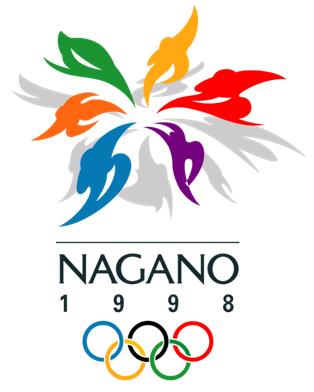
  The 18th Winter Olympics in Nagano in 1998

  Time: February 7, 1998-February 22, 1998

  Venue: Nagano, Japan

  The symbol of this grand event is a mixture of dynamic athlete images and snowflake patterns, symbolizing the competition of ice and snow events. On the whole, it is like a snow lotus, indicating that this Winter Olympics pays special attention to environmental protection. The whole design is full of movement, which expresses that athletes from all over the world who participated in the Nagano Winter Olympics have achieved the goal of mutual understanding and enhancing unity and friendship through sports competition. Therefore, this pattern is named "multicolored snowflake".

  The 19th Winter Olympics in Salt Lake City in 2002

  Time: February 8, 2002-February 24, 2002

  Venue: Salt Lake City, USA

  On August 29th, 1997, the unique design of the emblem of Salt Lake City Winter Olympics was presented to the world. The colors of yellow, orange and blue are symbols of courage and vitality, which remind people of the scenery in Utah. Below the graph is "Salt Lake 2002 (Salt Lake 2002)". The theme of this Winter Olympics consists of three parts: contrast, culture and courage. Contrast is a symbol of Utah’s scenery-from deserted desert to snow-capped mountains; Culture embodies the fusion of multi-cultures and constitutes the unique American cultural style in this region; Courage represents the spirit of athletes — — The main body of the Olympic Games.

  The 20th Winter Olympics in Turin in 2006

  Time: February 10, 2006-February 26, 2006

  Venue: Turin, Italy

  Emblem of Turin Winter Olympics — The Mole Antonelliana Tower is transformed into the shape of a mountain composed of ice and snow. At the same time, it can be seen as a tightly woven net, symbolizing the eternal Olympic theme of the great unity of the people of the world. The Mole Antonelliana Tower is the most famous building in Turin. It is the tallest building in the world in the 19th century and is now the National Film Museum of Italy.

  The 21st Vancouver Winter Olympics in 2010

  Time: February 12, 2010-February 28, 2012

  Venue: Vancouver, Canada

  The designer of the emblem of the 2010 Vancouver Winter Olympics is Elena Rivera McGregor, and the design of the emblem is based on the signpost tower pattern of ancient Indians. The pattern is made up of five colored stones, which looks like a beacon and a standing ice hockey player. The stone in the pattern has one green, two blue, one red and one yellow. At the bottom of the design is the words "Vancouver 2010", and below it is the Olympic five-ring flag. Five stones of different colors symbolize different parts of Canada, among which green and blue symbolize the Atlantic region in eastern Canada and the Pacific coast in western Canada. Red symbolizes the maple leaf in Canada, while yellow represents the rising sun.

  The 22nd Winter Olympic Games in Sochi in 2014

  Time: February 7, 2014-February 23, 2014

  Venue: Sochi, Russia

  Xxii olympic winter games 2014 will be held in Sochi, Russian Federation from February 7 to February 23, 2014. The logo of 2014 sochi winter olympics is in blue circular lowercase, and there are no other graphics except the Olympic rings. This is the first time that the logo of the host city of the Olympic Games takes international domain as a part of the pattern. The word "sochi.ru" appears above the number "2014", as if its reflection in the water is vivid, symbolizing the unique coastal position of this southern city on the Black Sea coast. This logo replaces the previous five-pointed star-shaped snowflake, which stands a high mountain design.

  23rd PyeongChang Winter Olympics in 2018

  Time: February 9, 2018-February 25, 2018

  Venue: Pyeongchang County, Korea

  The official emblem of the 2018 PyeongChang Winter Olympics was completed by visualizing the consonant of the word "Pyeongchang" in Han Wenzhong. According to the organizing committee of the Winter Olympics, the emblem of Pyeongchang Winter Olympics contains the meaning that Pyeongchang snowflakes and ice are integrated in heaven and earth, and winter Olympic athletes and people from all over the world get together to celebrate the ceremony. The color of the emblem adopts the traditional color of Korea — — Five colors (blue, red, yellow, white and black).

  The 24th Beijing Winter Olympics in 2022

  Time: February 4, 2010-February 20, 2018

  Venue: Beijing, China and Zhangjiakou.

  The emblem of the 2022 Beijing Winter Olympics, "Winter Dream", uses the artistic form of China’s calligraphy to integrate the rich oriental cultural heritage with the international modern style, presenting a new image and dream of China in the new era.

  The upper part of the emblem shows the shape of the skater, and the lower part shows the heroic attitude of the skier. The dancing lines in the middle are smooth and full of rhythm, representing the undulating mountains, stadiums, snow slides and festive ribbons in the venue, adding a visual feeling of festival celebration to the emblem and symbolizing that the Beijing Winter Olympics will be held during the Spring Festival in China.

  The color of the emblem is mainly blue, which symbolizes dreams and the future, as well as the brightness and purity of ice and snow. Red and blue represent the passion, youth and vitality of sports. In the form of "BEIJING2022" font, it absorbs the characteristics of China calligraphy and ribbon, enhances the cultural connotation and expressive force of the font, and also embodies the sense of integrity and unity with the emblem graphics. (End)

One-week exhibition guide | Tate Collection Exhibition enters countdown, Tokyo commemorates foujita.

In the hot summer, the opening speed of new exhibitions in various places has slowed down slightly, but it is also the opportunity to slowly appreciate high-quality exhibitions. After several months’ stay, the Shanghai Museum’s "Spiritual Scenery: Tate British Museum Collection Exhibition" will end next Sunday. Shanghai Minsheng Modern Art Museum’s "Integrated Vision-Asia-Europe Classic Print Exhibition" will not last long. Teenagers and Japanese lovers in the summer vacation are looking forward to the memorial exhibition of Japanese contemporary animation director Makoto Shinkai this week; In Tokyo, 2018 marks the 50th anniversary of foujita’s death. The Tokyo Art Museum and Fujita’s alma mater, Tokyo University of Arts Art Museum, have successively opened exhibitions to review his artistic life.

"The Paper Art Review" specially sorts out the recent exhibitions and lectures worth seeing in various places.

Shanghai

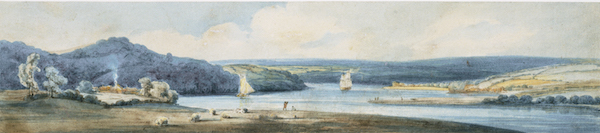
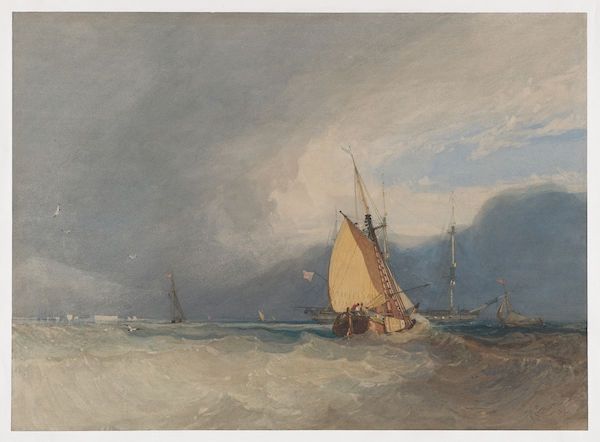
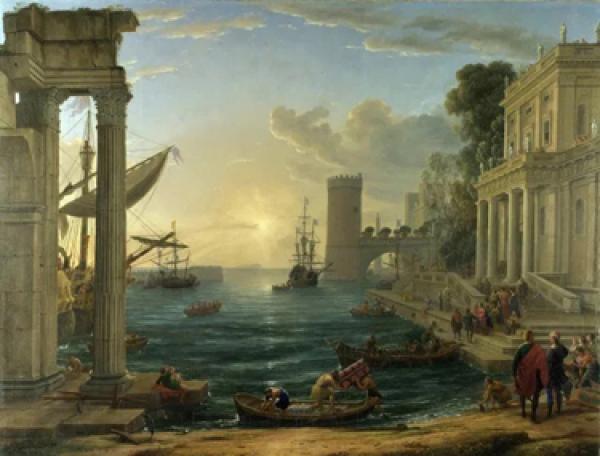
Spiritual Scenery: Tate British Museum Collection Exhibition (1700-1980)

Exhibition period: April 27-August 5, 2018

Venue: Shanghai Museum

This paper selects a group of works of British landscape paintings with great aesthetic value and originality from the great classical painters in the 18th century and romanticism in the 19th century, through pre-Raphael and impressionist painters, and finally to the works of avant-garde modernist artists in the 20th century, with a view to comprehensively tracing the development process of British landscape paintings spanning more than 300 years.

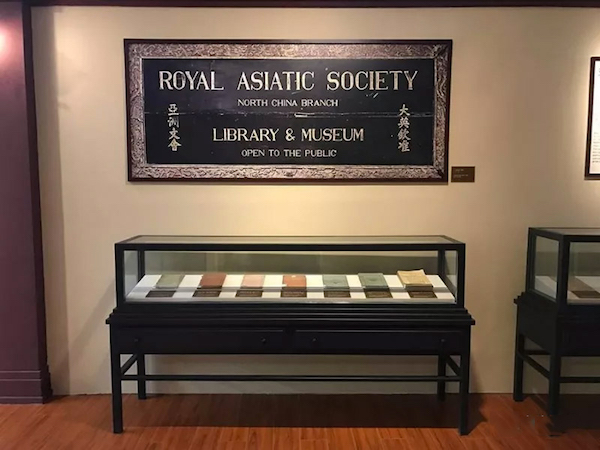
Century Collection: Shanghai Natural History Tracing Exhibition

Exhibition period: July 17-October 21, 2018

Venue: Shanghai Museum of History

The exhibition is jointly organized by Shanghai Science and Technology Museum, Shanghai Museum and Shanghai History Museum. More than 100 natural history, anthropology, archaeology, art collections and related exhibits collected by Shanghai Museum, the former Asian Language Society, are displayed to explore the early development of China Museum and explore the cultural heritage of Shanghai.

Makoto Shinkai Exhibition: From The Voice of the Stars to Your Name. 》

Exhibition period: July 27th-October 7th, 2018.

Venue: Shanghai Museum of Contemporary Art

The 15th anniversary exhibition of Japanese contemporary animation director Makoto Shinkai’s debut, by designing original paintings, images, three-dimensional models, materials and other exhibits, reviews his works from the Voice of the Stars in 2002 to Your Name in 2016. "The development track, showing the animation world of Makoto Shinkai.

Youth Tour-Exhibition of Five Works of the New Generation

Exhibition period: August 4-August 29, 2018

Venue: An Yan Art Space (1st floor, No.4 Lane 90, Tongren Road, Jing ‘an District, Shanghai)
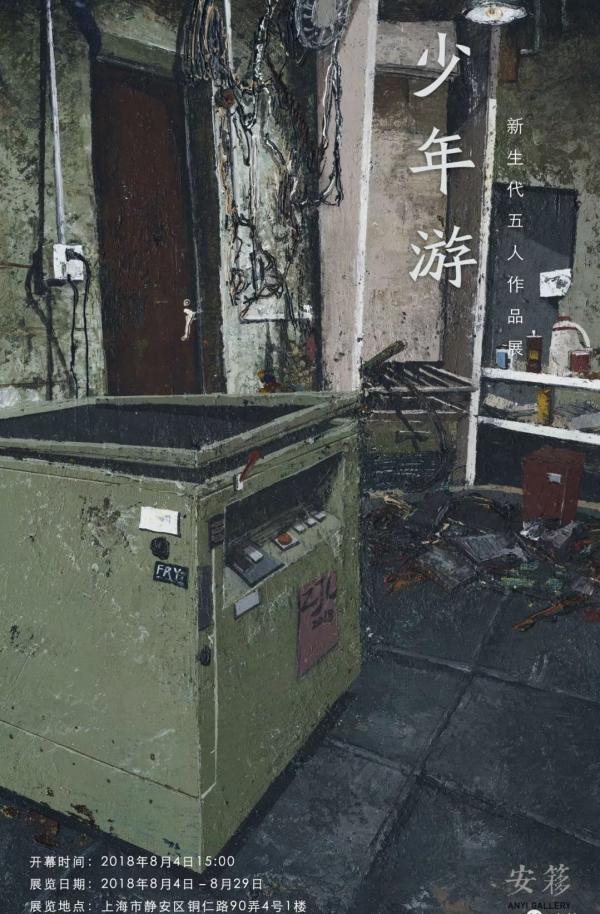
Yang Xinjia, Hou Hongxu, Huang Junwei, Li Shutian and Zong Jiancheng, five "young painters", have a solid specialty and complete technology, and have gradually formed their own language style. They each have a professional college background, and today their paintings are gathered together, each of which is wonderful and sets off each other. An interesting observation is that they all have a strong sense of scene and substitution from the perspective of movies. Yang Xinjia’s watercolor works are just like a kind of freeze-frame, sometimes with close-ups, while Hou Hongxu’s oil paintings are in the middle, which is the scene of telling daily stories. Huang Junwei’s comprehensive material works seem to be depicted in a wide-angle panorama, with traditional elements such as Taihu Stone substituted.

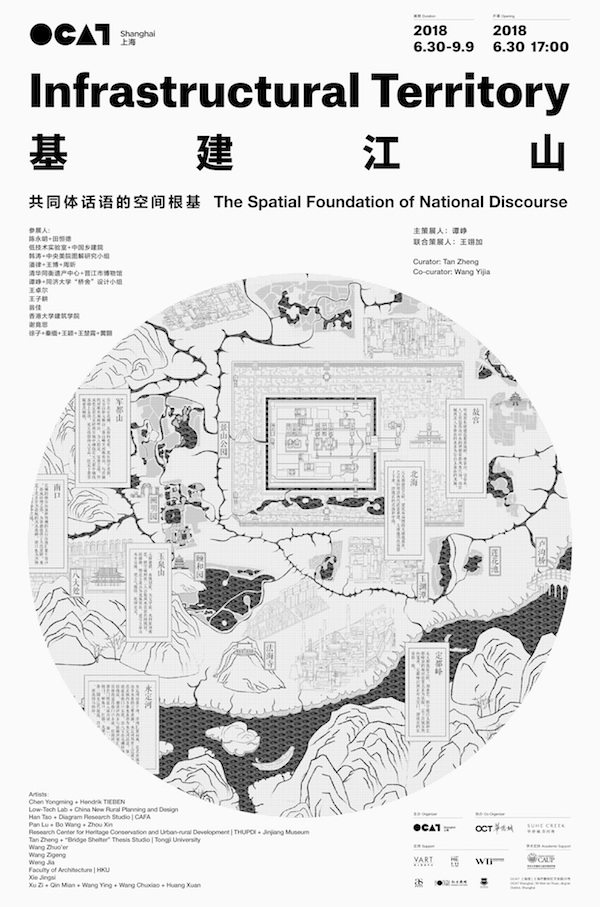
Infrastructure-the Spatial Foundation of Community Discourse

Exhibition period: June 30-September 9, 2018

Venue: OCAT Shanghai Pavilion

With the theme of "Infrastructure, Jiangshan", the exhibition discusses the expression of various forms and behaviors of infrastructure in the whole landscape, and looks forward to the role and position of infrastructure in reconstructing large-scale regional space and meso-micro daily space in the future, and shows the process of infrastructure integration into cultural landscape in various forms such as devices, images, models and images.

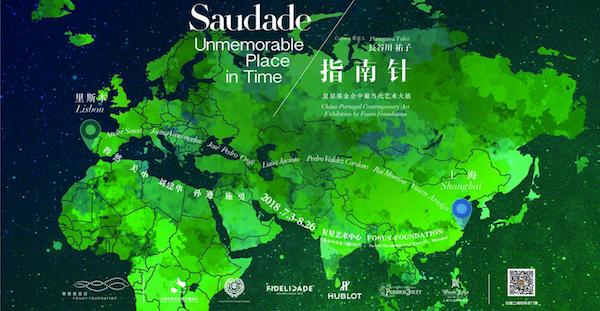
Compass /Saudade Fosun Foundation China-Portugal Contemporary Art Exhibition

Exhibition period: July 3-August 26, 2018

Venue: Fosun Art Center

The exhibition brings together nearly 100 works by 12 Chinese and Portuguese contemporary artists, covering paintings, comprehensive material creation, installations, images and other media. It is the first time in China to systematically compare and sort out the development of contemporary art between China and Portugal.

Integrated Vision —— Asia-Europe Classic Print Exhibition

Exhibition period: June 26-August 12, 2018

Venue: Shanghai Minsheng Modern Art Museum

275 classic prints of Asia and Europe from 16th to 21st century were exhibited, including more than 30 folk woodcuts of Ming and Qing Dynasties in China, mainly Fengxiang woodcut New Year pictures and Taohuawu woodcut New Year pictures. More than 140 Japanese ukiyo-e paintings, including the classic original works of the masters of ukiyo-e painting; As well as more than 70 European copperplate and woodcut prints, and selected the authentic prints of Diu Lei, Rembrandt, Goya and other artists.

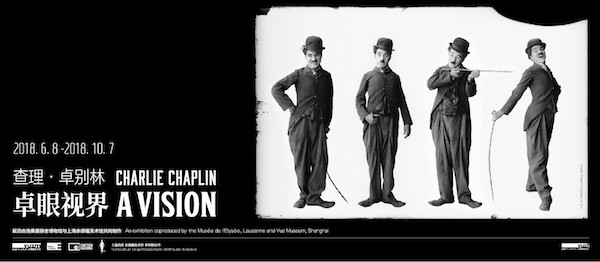
Charlie Chaplin: Outstanding Vision

Exhibition period: June 8-October 7, 2018

Venue: BudiTek Art Museum

The exhibition explores the reasons that contributed to Chaplin’s success and brought him key opportunities, and studies the important role of photographic images in the process of artists’ legend.

WAVELENGTH: factory setting-immersive art experience exhibition

Exhibition period: July 8-October 8, 2018

Venue: Baolong Art Museum

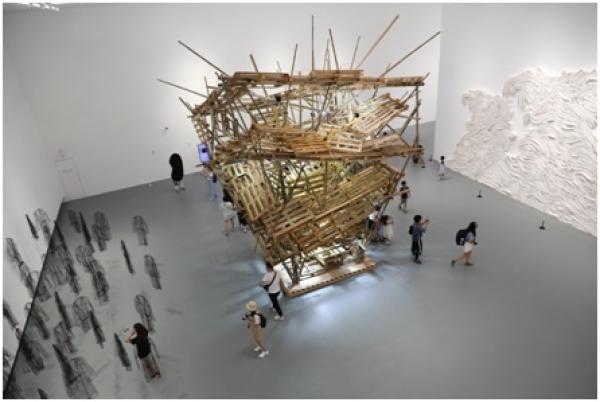
The exhibition invited 40 global contemporary artists and designers from 17 countries and regions, including Xu Zhen and Anserme Rael, to present more than 100 interdisciplinary works of art, including visual art, fashion, installation and interactive art of new media. Inspired by the scene of factory assembly line, the exhibition showed a deconstructive vision of urban life.

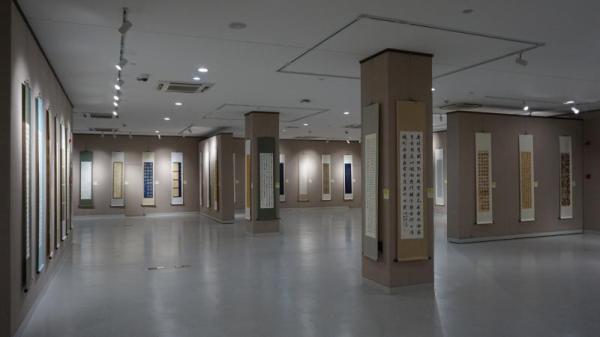
2018 Shanghai Youth Calligraphy and Seal Carving Exhibition

Exhibition period: from July 22nd.

Venue: Shanghai Federation of Literary and Art Circles Exhibition Hall

Since the 1990s, it has been held once a year, which has played a positive role in discovering and cultivating outstanding young calligraphers in Shanghai and boosting the vigorous development of calligraphy in Shanghai. This year, out of more than 3,000 contributions, 49 winning works, 100 exhibiting works and 150 selected works were finally selected. The exhibition shows Shanghai teenagers’ solid calligraphy basic skills and certain copying creative ability.

Nian Ji | wangyi Di Photography Solo Exhibition

Exhibition period: July 28-August 20, 2018

Venue: Dehe Contemporary Art Center (No.93, Moganshan Road, Shanghai)
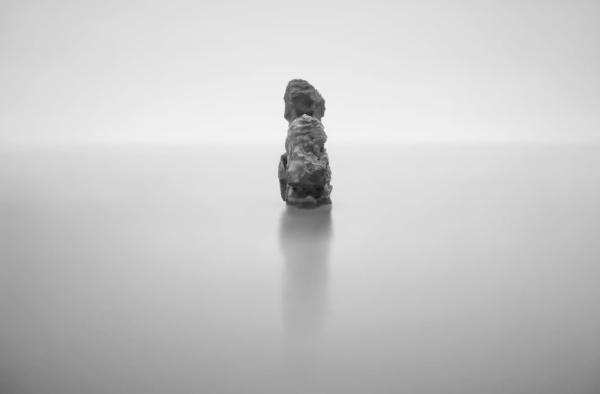
Wangyi Di now lives in Shanghai, graduated from Shanghai Theatre Academy, majoring in stage art design. She once worked in Shanghai TV Station and now works in Shanghai Film Group Company, engaged in film and television drama production designer, photography and graphic design.

Suzhou

Han Yi Shen Fei: Calligraphy Exhibition of Past Dynasties Collected in Suzhou Museum

Exhibition period: June 15th-September 2nd, 2018.

Venue: Suzhou Museum

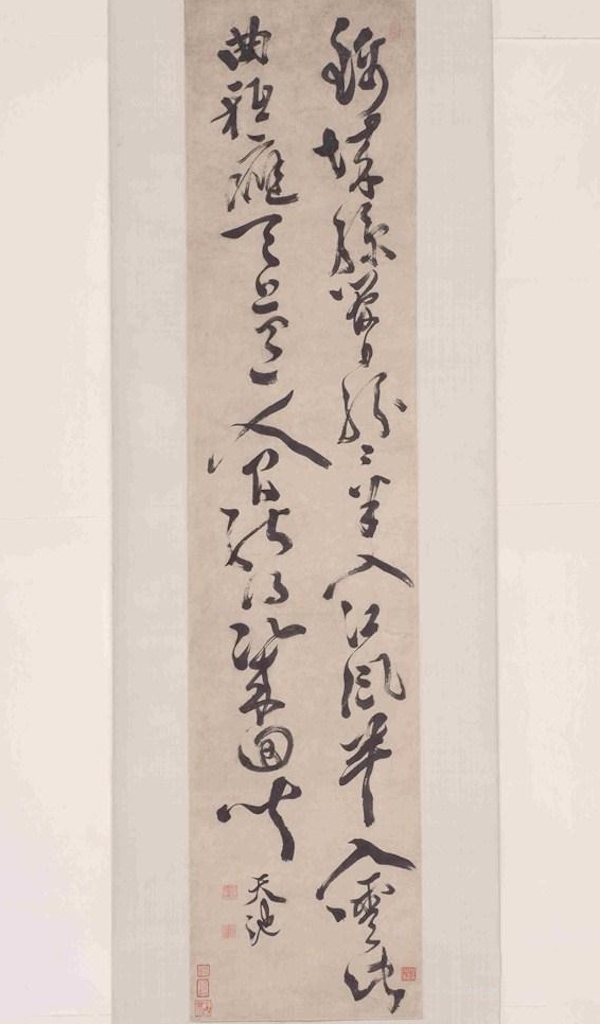
The works of more than 30 calligraphers in the Yuan, Ming and Qing Dynasties were exhibited, including Qian Liangyou’s Wu Zhongren’s Wuzhong Chorus, Shen Zhou’s Five Rhythms of Running Calligraphy, Xu Wei’s Seven-line Axis of Cursive Calligraphy, Zheng Zhi’s Official Calligraphy Axis, and Wang Duo’s Kulan Fuhua Scroll.

Ye Shengtao’s Literature Exhibition (Phase I)

Exhibition period: July 14-September 16, 2018

Venue: Suzhou Art Museum

Ye Shengtao’s diary manuscript, four letters from his father and son, 150 old photos and 20 letters with friends such as Bing Xin, Lao She, Guo Shaoyu and Zhu Ziqing were exhibited to outline Ye Shengtao’s life track.

Hangzhou

Cross-border treasure: 100 cultural relics tell the story of Zhejiang

Exhibition period: June 8-October 8, 2018

Venue: Zhejiang West Lake Art Museum

Exhibit 100 pieces/group of treasures from 39 Zhejiang cultural and cultural institutions, telling Zhejiang stories from prehistoric times to Ming and Qing dynasties.

Yun Mengze: Exhibition of Chu Cultural Relics Collected in Jingzhou Museum

Exhibition period: July 17-September 24, 2018

Venue: Southern Song Dynasty Imperial Kiln Museum, Hangzhou

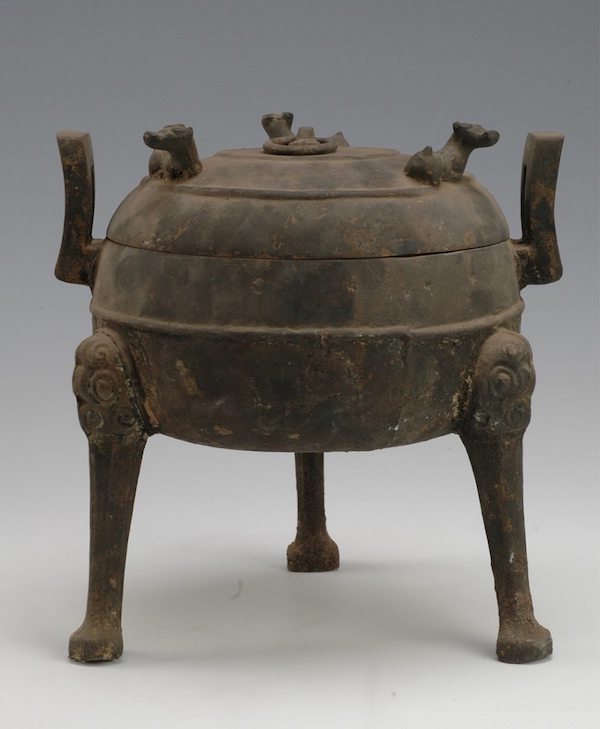
Exhibition of 96 pieces/sets of cultural relics collected by Jingzhou Museum, from the Warring States Period to the Han Dynasty, showing the material culture of Jingchu and the life style of nobles from various aspects such as food, clothing, housing and transportation.

Wuzhen

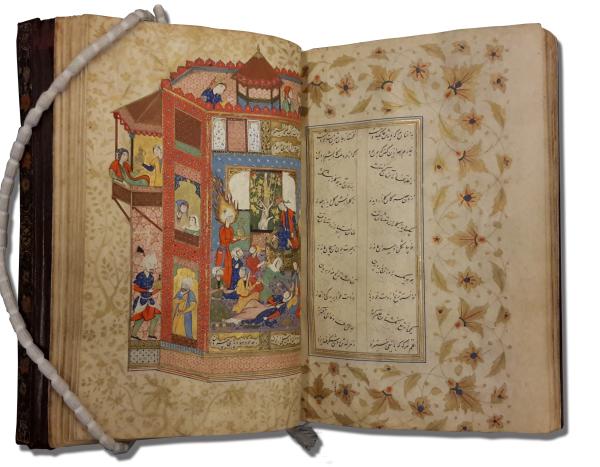
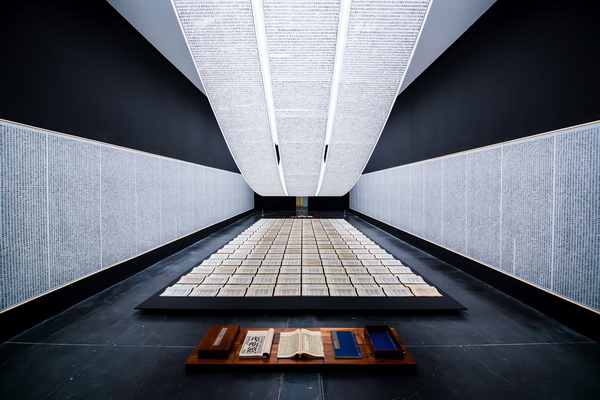
Transcript of ancient Persian poems

Exhibition period: July 28-November 28, 2018

Venue: Muxin Art Museum

In the past three years, Muxin Art Museum has successively published several manuscripts of European thinkers and writers admired by Muxin. This year, five manuscripts of ancient Persian poems with fine paintings came to Wuzhen. Persian miniatures are displayed in China from the future. Now, in Muxin’s hometown, we can get a glimpse of the precious original appearance of ancient Persian poems and miniatures.

Beijing

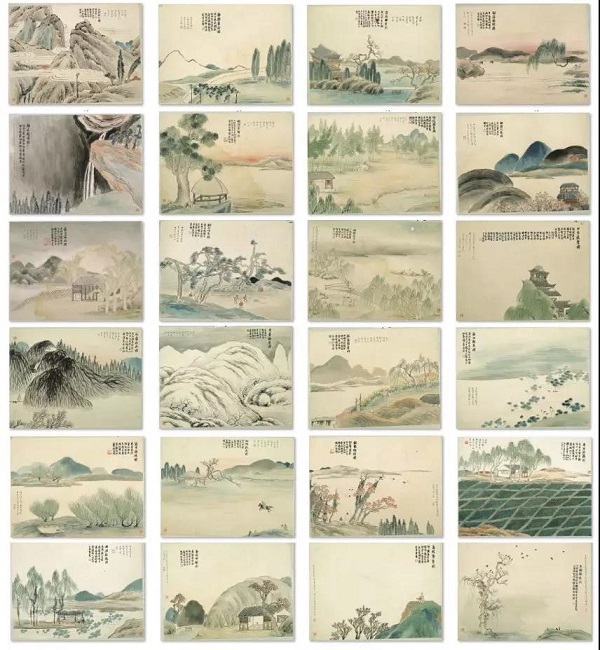
Qing Ping Fu Lai —— Qi Baishi’s Art Exhibition

Exhibition period: July 18-October 8, 2018

Venue: Palace Museum

More than 200 paintings, seal cutting and literature works have been selected, which are divided into four sections: "Heaven rewards diligence", "Helping the dream to return to the hometown", "Being strong in old age" and "White Stone seal cutting", showing the diligent and arduous exploration of Qi Baishi, a people’s artist, from all angles, his homesickness for his hometown, his lofty sentiments of being old but not decadent, and the impression of a blade.

Bing Xu: Thought and Method

Exhibition period: July 21-October 18, 2018

Venue: Ullens Center for Contemporary Art

Bing Xu has always been committed to the mutual transformation between eastern and western cultures, transcending cultural boundaries and expressing his thoughts and practical problems with visual language. The exhibition is the artist’s most comprehensive solo exhibition in Beijing in recent years.

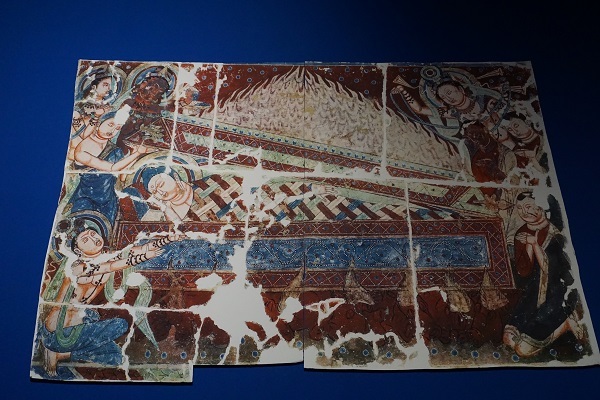
Overseas Kizil Grottoes Murals and Cave Restoration Image Exhibition & Monks and Artists

Exhibition period: July 14th-September 2nd, 2018.

Venue: Mumu Art Museum

Both exhibitions focus on Kizil and look around the world, presenting the treasures and legends of human civilization-the unique value and charm of Kizil Grottoes art born on the Silk Road.

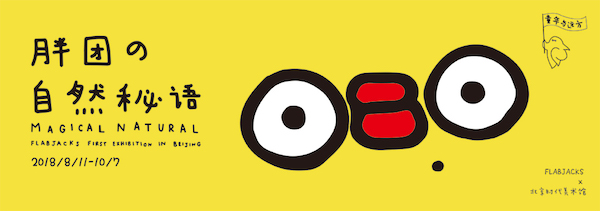
Pang Tuan の natural secret language

Exhibition period: August 11th-October 7th, 2018.

Venue: Beijing Times Art Museum

Ton Mak, who graduated from University of London with a master’s degree in anthropology, worked in an advertising company before becoming a full-time artist. Due to the pressure of work, Ton often draws some graffiti to decompress, and creates the image of "Little Fat Bun" on a sunny day. Through this image, he emphasizes the magical power of nature and our application of nature.

Xi’an

Great Grassland Heritage: Treasure Art

Exhibition period: July 12-September 12, 2018

Venue: Shaanxi History Museum

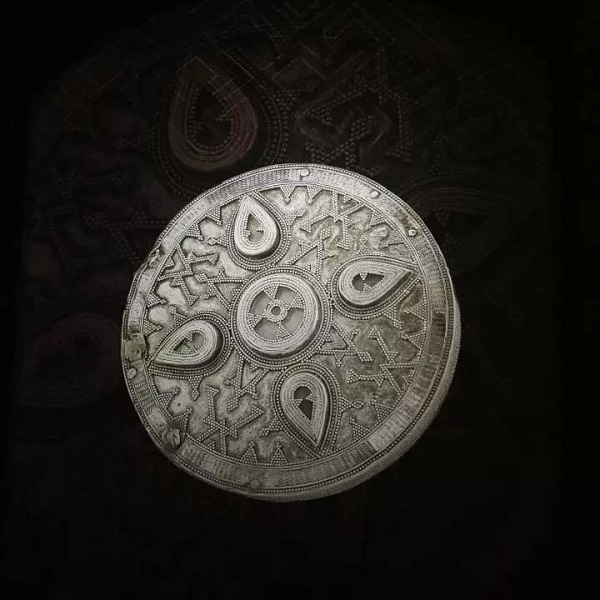
The 370 exhibits, all from the National Museum of Kazakhstan, are cultural relics and replicas unearthed from Esek’s tomb in that country, mainly jewelry works from the early Iron Age to the Middle Ages, showing the unique culture and arts and crafts traditions of nomadic people in the grasslands of Asia and Europe.

Guangzhou

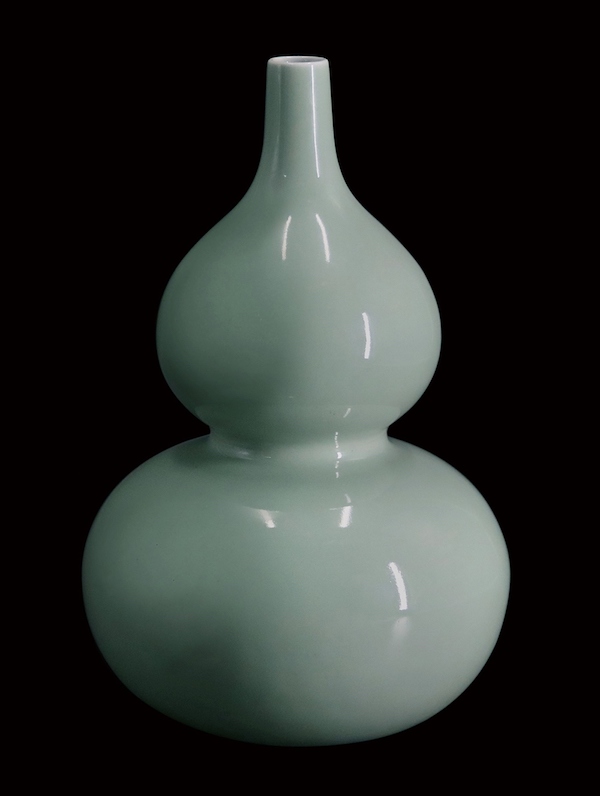
Five-color Xiangyun: A Special Exhibition of Monochrome Glazed Porcelain in Song, Yuan, Ming and Qing Dynasties Collected in Zidetang

Exhibition period: July 28-August 26, 2018

Venue: Guangdong Provincial Museum

Exhibit 68 pieces/sets of monochrome glazed porcelain collected by Zizitang, showing the elegance of monochrome glazed porcelain in Song, Yuan, Ming and Qing Dynasties.

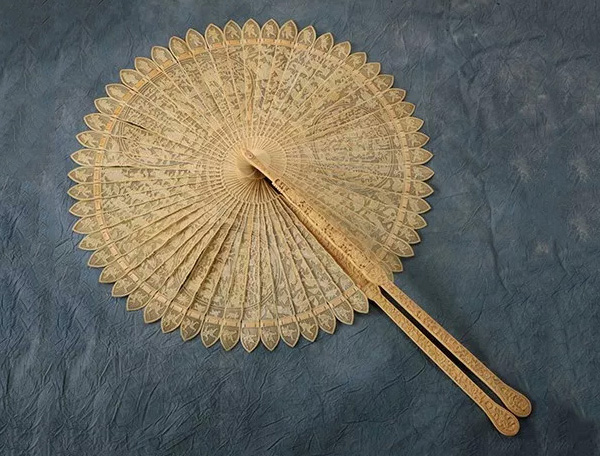
Feng Shang: China export fans from 18th to 20th century.

Exhibition period: August 15-November 19, 2018

Venue: Guangdong Provincial Museum

More than 200 China export fans and European-made Chinese style fans, supplemented by export silk embroidered Chinese clothes, shawls and jewelry, were exhibited in Guangdong Provincial Museum, presenting China export fans and their oriental aesthetic taste, which were popular in European markets.

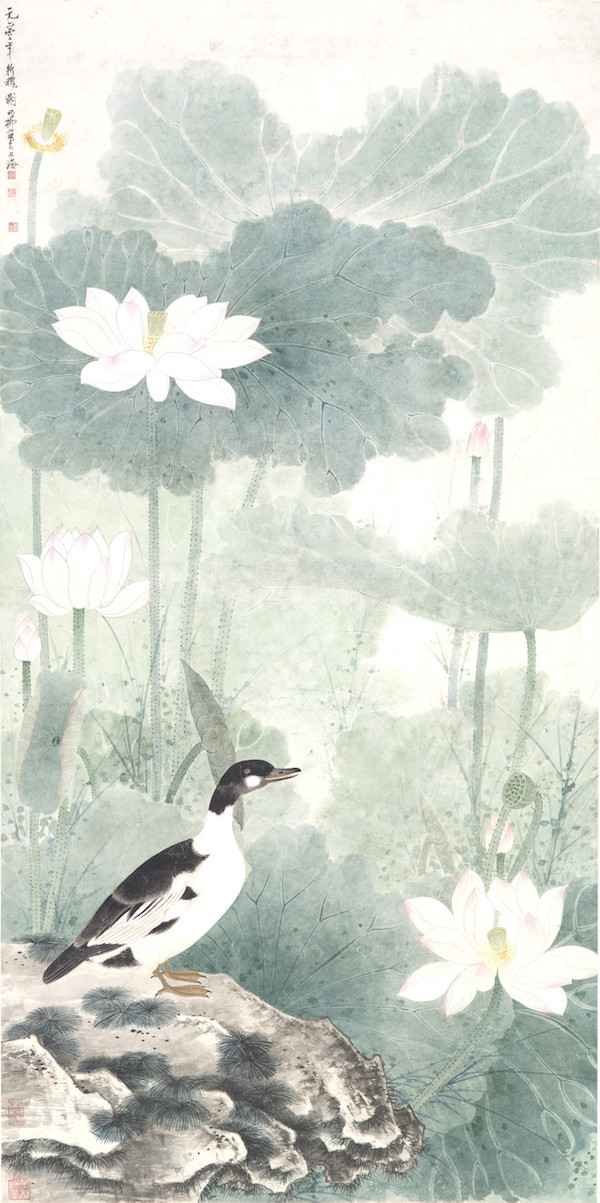
Splendid Times —— Exhibition of Fine Artists in China in the 20th Century

Exhibition period: July 27-August 18, 2018

Venue: Guangdong Art Museum

The exhibition covers Beijing-Tianjin painting school, Shanghai painting school, Chang ‘an painting school, New Jinling painting school and Lingnan painting school in China in the 20th century, as well as representative artists and works of almost all important schools since the new period. These artists transformed the relationship between personal perspective and living reality into the relationship between artistic theme and the context of the times, showing their unique sensitivity to the times.

Taipei

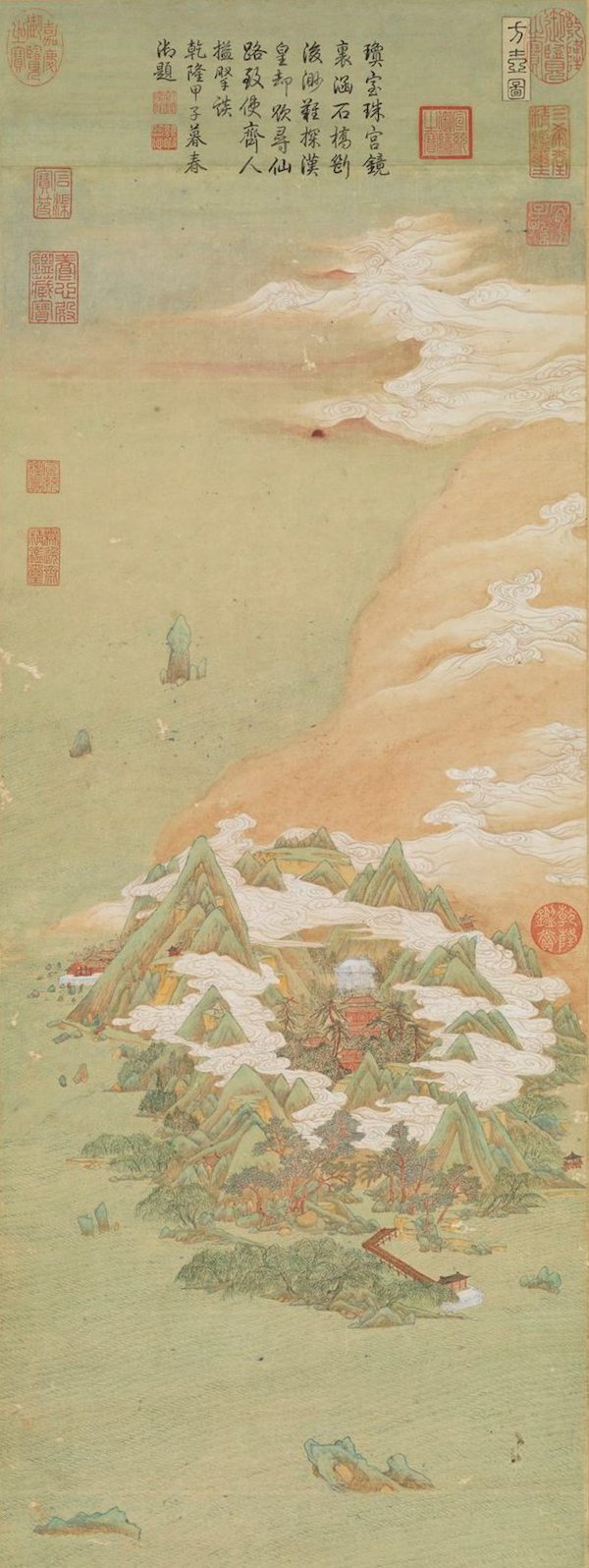
Where is Penglai: Special Exhibition of Fairy Mountain Map

Exhibition period: July 1-September 25, 2018

Venue: Palace Museum

There are 30 paintings with the theme of fairyland in the exhibition, spanning the Song, Yuan, Ming and Qing Dynasties, which are divided into three units: the ethereal fairyland, the unique cave, the practice of collecting herbs and the spiritual pursuit of the ancients’ desire to emerge from the immortal.

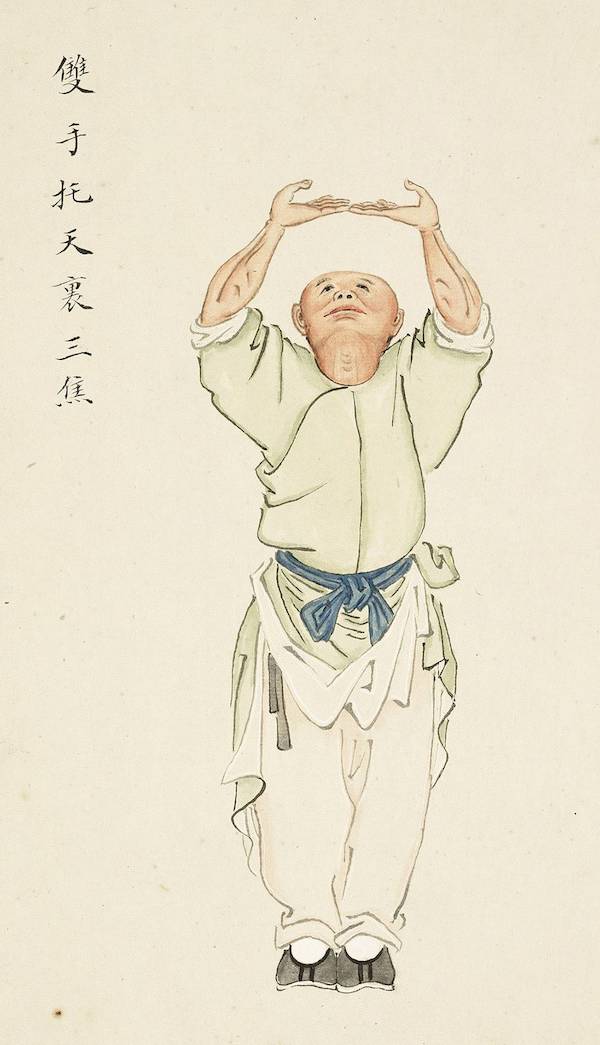
Xinglin Spring Warm: Exhibition of Interesting Painting and Calligraphy for Health Care

Exhibition period: July 1-September 25, 2018

Venue: Palace Museum

With the theme of health preservation, the exhibition is divided into three parts, namely, alchemy, medicine and traditional health preservation, and exhibits paintings and calligraphy related to health care, including Chou Ying-style Painting of Burning Dan in Jade Cave in the Ming Dynasty and Huang Tingjing, which advocates the spirit of nourishing qi.

Tokyo

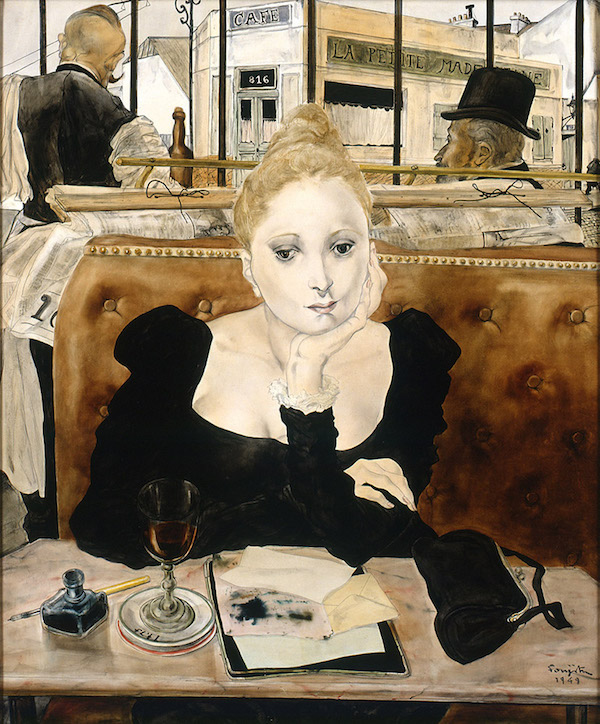
50th Anniversary of Death | foujita Exhibition

Exhibition period: July 31-October 8, 2018

Venue: Tokyo Art Museum

Foujita, a modern painter who was born in Meiji Japan and spent most of his life in France, became a special figure in the history of Japanese art because of his remarkable artistic achievements and controversial life track. In 2018, the 50th anniversary of his death, Japan held the largest retrospective exhibition so far, presenting his artistic panorama.

Foujita in the 1940s: Greetings.

Exhibition period: July 28-August 15, 2018

Venue: Tokyo University of Arts University Art Museum

Tokyo University of the Arts (then called Tokyo Fine Arts School) adjacent to Tokyo Art Museum is foujita’s alma mater. The exhibition gathered a group of people who were interested in Fujita or had personal connections with Fujita in those days, aiming to hold a "tribute album" and reflect on the 1940s, the most controversial creative period in foujita.

Kyoto

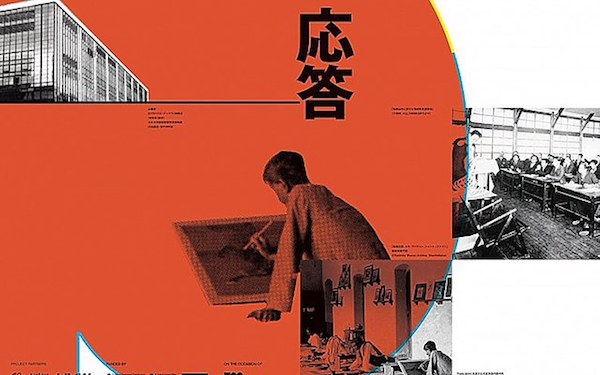
Respond to Bauhaus

Exhibition period: August 4-October 8, 2018

Venue: National Museum of Modern Art, Kyoto

In 1919, Bauhaus School was founded in Weimar, Germany, which was the most advanced comprehensive art school at that time. Bauhaus, the centenary of its founding, has deeply influenced Germany and the world with its educational philosophy and innovative curriculum. This exhibition introduces how the idea of Bauhaus was introduced, accepted and developed in Japan, reviews its process through about 100 related materials, records and student works, and compares it with the situation in India, which is part of a transnational project to rethink the modern significance of Bauhaus.

New York

Collection Sketch and Print Exhibition: Travel

Exhibition period: July 31-October 29, 2018

Venue: Metropolitan Museum of Art

Exhibit European and American sketches, prints, watercolors and book illustrations since the Renaissance. Because this kind of art is sensitive to light, it can’t be exhibited for a long time, so the exhibits will be updated every 13 weeks and exhibited for 4 rounds every year. The theme of the new exhibition is travel, focusing on Europeans’ exploration of the world in the 16th-18th century.

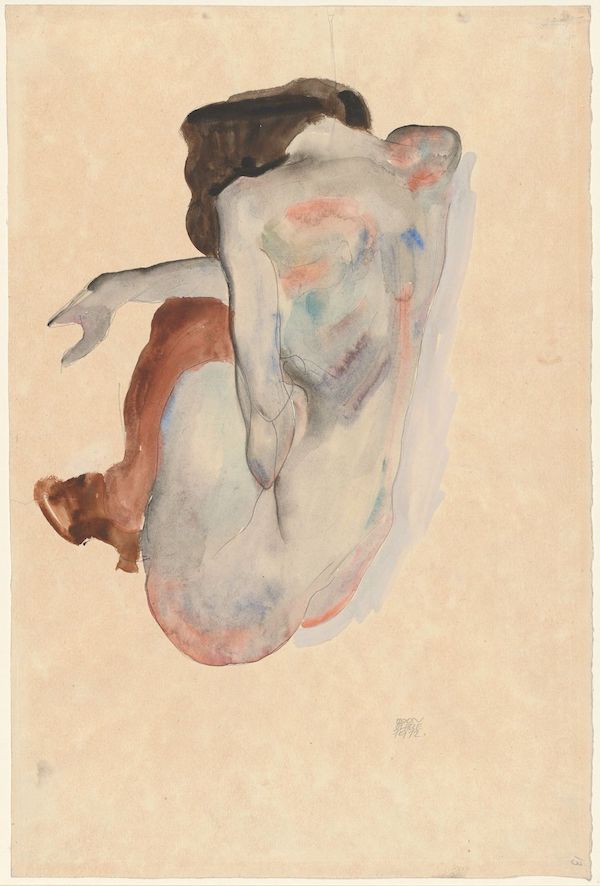
Nudity in Klimt, Schiller and Picasso’s Works

Exhibition period: July 3-October 7, 2018

Venue: Metropolitan Museum of Art

About 50 nude paintings collected by the Metropolitan Museum of Art, including works by Spanish artists Picasso, Austrian artists gustav klimt and Egon Schiele, were exhibited to commemorate the centenary of the death of Klimt and Schiller.

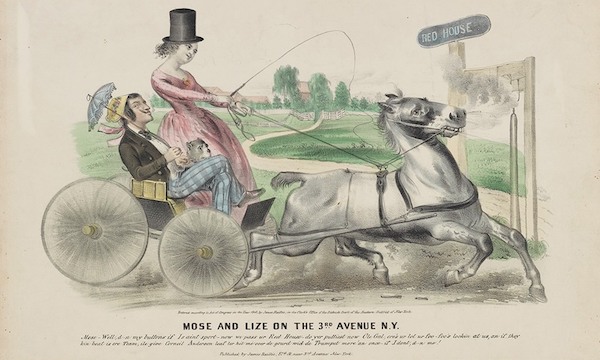
Rebellious women: challenging Victorian fashion

Exhibition period: July 17, 2018-January 6, 2019.

Venue: New York City Museum

Exhibit photographs, costumes, prints, etc. collected by the New York City Museum, and tell the story of new york women’s resistance to Victorian fashion in the 19th century. These independent women have an indelible influence on the social, cultural and economic development of new york in the 20th century.

Washington

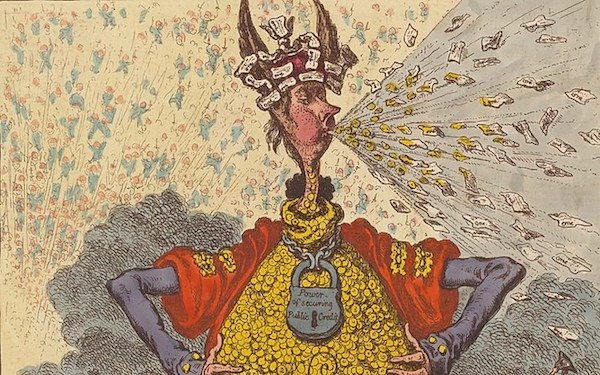
Sense of humor: satire exhibition

Exhibition period: July 15, 2018-January 6, 2019.

Venue: National Gallery of Art, Washington

Exhibition of Renaissance caricatures, English satirical works and 20th century caricatures, etc., showing the expression of sense of humor by art..

Space: Collection Exhibition of the National Gallery of Art in Washington (1966-1976)

Extension: August 4, 2018-to be determined

Venue: National Gallery of Art, Washington

Five pieces of minimalist and post-minimalist sculpture installations collected by the National Gallery of Art in Washington are all donated by American collector Virginia Dwan, and each exhibit will be exhibited independently in a single exhibition hall.

London

Magic Realism: Art in Weimar Republic from 1919 to 1933

Exhibition period: July 30, 2018-July 14, 2019

Location: tate modern.

About 70 works are exhibited, presenting the artistic practice of Weimar Republic in Germany from 1919 to 1933, and trying to explore the anxious and chaotic magical realism phenomenon of German art under this special historical background.

Friendship in Portrait Works

Exhibition period: June 30, 2018-May 13, 2019

Venue: British National Portrait Gallery

Show the historical and contemporary works with the theme of "friendship" in the British National Portrait Collection, including photography and painting, and show how portrait works express the feelings of happiness and leisure between friends.

Bacon, Freud and Centennial Painting

Exhibition period: February 28th-August 27th, 2018

Venue: Tate British Museum

This paper reviews a group of artists who were active in London in the middle and late 20th century, focusing on lucian freud and Francis Bacon. Although their painting styles are different, these artists focus on presenting the most authentic people and environment, and the exhibition will show their exploration and innovation in painting techniques through paintings.

Paris

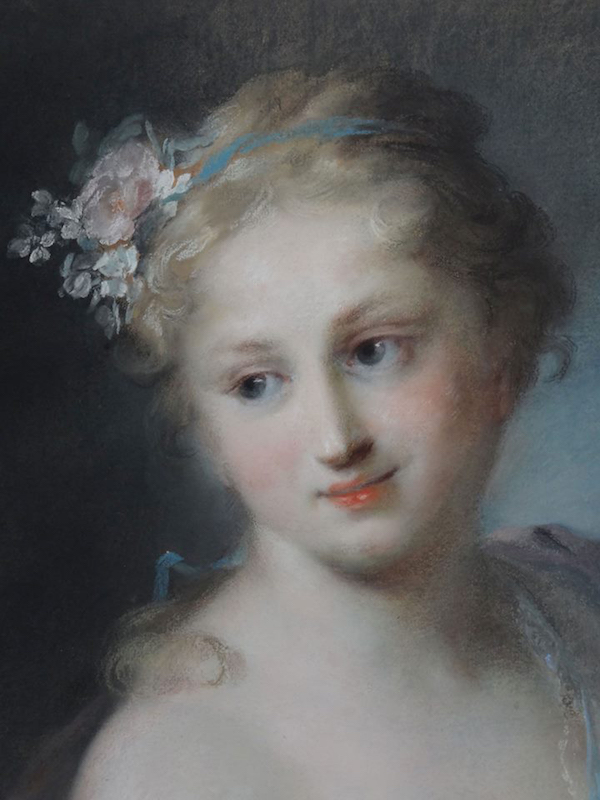
Being in the society: pastel exhibitions in the Louvre in the 17th and 18th centuries.

Exhibition period: June 7-September 10, 2018

Venue: Louvre

The pastel painting exhibition in the Louvre Museum featured about 120 works by European masters selected from the precious pastel paintings in the 17th and 18th centuries.

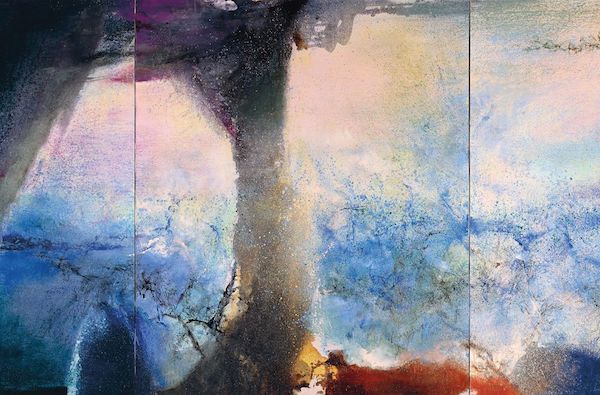
Zhao Wuji: Silent Space

Exhibition period: June 1, 2018-January 6, 2019.

Venue: Museum of Modern Art, Paris

On display are 40 large-scale oil paintings and ink paintings by Zhao Wuji, a French Chinese painter, from the mid-1950s to the early 21st century. This is the first time that Paris has held a solo exhibition for him since 2003, and some of the exhibits are on public display for the first time.

Berlin

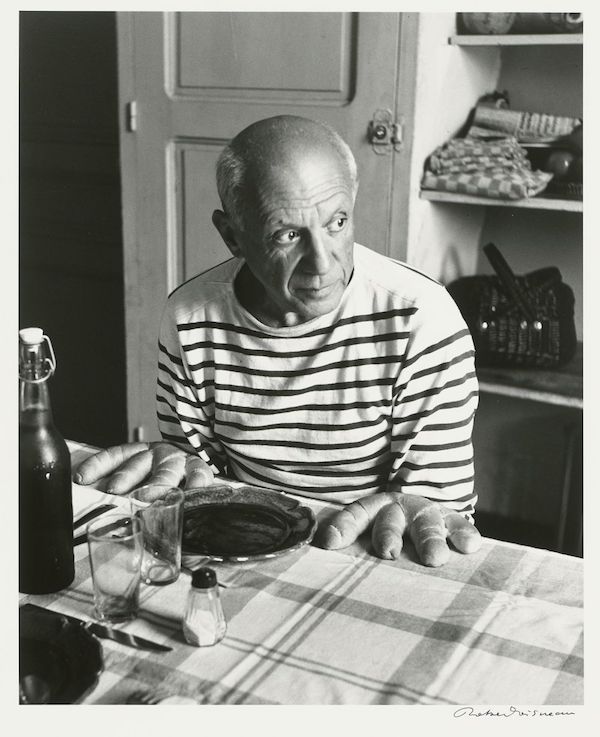
Portrait of Artists: From Picasso to andy warhol

Exhibition period: June 29-October 7, 2018

Venue: Berlin National Museum

160 portraits collected by German photographer Angelika Platen were exhibited, which recorded the images of the most influential artists in the 20th century and explored their personalities, work and life.

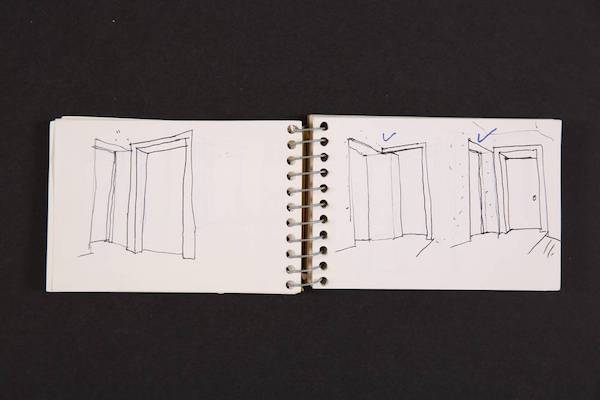
现代建筑师的速写本

展期:2018年6月30日—10月7日

地点:建筑绘图博物馆(Museum für Architekturzeichnung)

展出10位现代建筑师的手稿,包括80张素描和140本写生簿,辅以音频和视频访谈、照片、建筑模型等资料,通过手工绘图呈现他们的设计思路与过程。

柏林工艺美术博物馆150周年纪念展

展期:2018年5月19日—9月23日

地点:克佩尼克宫(Schloss K?penick)

为纪念柏林工艺美术博物馆创建150周年,展览展出重要藏品、照片和展板,回顾博物馆150年的发展历程,并追溯柏林市在此期间发生的重要历史事件。

讲座指南

上海博物馆

框架中的景致:从临摹自然到探索心灵的历史脉络

时间:2018年7月29日 周日 09:30-11:30

地点:五里桥社区文化活动中心三层影剧院(龙华东路600号)

主讲人:吴雅凤

英国风景画的传承与创新是泰特美术馆创立的宗旨之一,此次展出于上博的画作,足以呈现出英国风景画从临摹自然到心理剖析的历史大脉络。
Full marks have appeared in the Chinese language of Beijing College Entrance Examination. Candidates can check their scores on June 23rd.

  CCTV News:According to reports, although this year’s Beijing Chinese test paper has reduced a subjective question and increased an objective question, why has the number of marking teachers increased by 10?

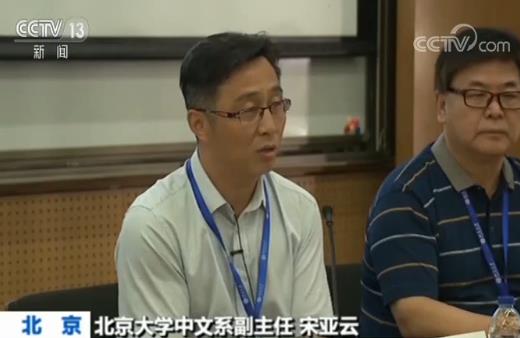
  Song Yayun, Deputy Director of Chinese Department of Peking University:Because we found that our reading questions are many, we read this article. For example, the sixth question is only six points, but the examinee’s answers are rich and his points are many. He has several different opinions and talks about the examinee’s own understanding, so this is no less than a micro-writing reading, so it is necessary for the reviewer to increase several accordingly.

  Full marks have appeared in both major compositions.

  Composition has always been the focus of hot discussion. According to the marking expert group, from the current marking situation, the proportion of students choosing "Resilience of Civilization" and "Colors in 2019" is 7:1, and both compositions have already achieved full marks.

  Song Yayun, Deputy Director of Chinese Department of Peking University:According to our impression, this article is indeed more accurate in reviewing the questions, more adequate in argumentation, more appropriate in examples, more rigorous in structure, and then his language is more beautiful. On the whole, these elements are basically available, which are also several abilities that we have repeatedly emphasized in argumentative teaching.

  Candidates can check their scores on June 23rd.

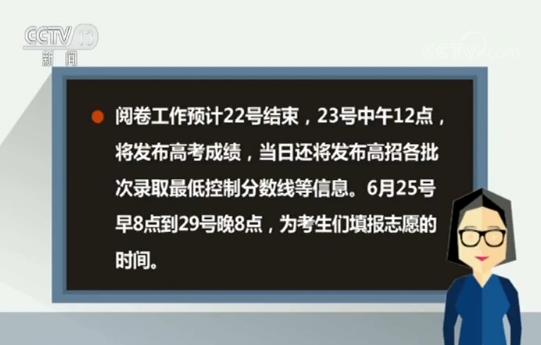
  According to reports, Beijing needs to read about 200,000 copies of the college entrance examination this year. The marking work is expected to end on the 22nd, and the results of the college entrance examination will be released at 12 noon on the 23rd. On the same day, information such as the minimum control scores for each batch of gaozhao will also be released. From 8: 00 a.m. on June 25th to 8: 00 p.m. on June 29th, fill in the volunteer time for the candidates.

The Ministry of Housing and Urban-Rural Development should explore the role of the established housing pension system, and where does the money come from?

  According to china construction news, on the afternoon of June 26th, Ni Hong, Party Secretary and Minister of the Ministry of Housing and Urban-Rural Development of the People’s Rerublic of China met with Ge Haijiao, secretary of the Party Committee and chairman of Bank of China, and his party, and exchanged views on deepening the cooperation between the government and banks and promoting the high-quality development of housing and urban and rural construction.

  Ni Hong pointed out that it is necessary to encourage and guide financial institutions to participate in urban construction and renewal, and promote the creation of livable, intelligent and resilient cities. It is necessary to build good houses for the people, improve the quality of housing, explore the establishment of a housing pension system, and provide life-cycle security for houses.

  Among them, the "housing pension system" attracts people’s attention. Then, what is the "housing pension system"? Where does the "housing pension" money come from and what role does it play?

  What is the "housing pension" system?

  The "housing pension" system is not proposed for the first time.

  The housing pension system is regarded as an institutional arrangement for the government to reserve housing security funds. The background of this proposal lies in the security risks brought by the aging of existing housing, but the existing special housing maintenance funds are difficult to meet the needs of housing maintenance and renovation.

  According to the report of Architectural Magazine, during the two sessions this year, Chai Qiang, member of Chinese People’s Political Consultative Conference and president of China Real Estate Appraisers and Real Estate Agents Association, brought the Proposal on Early Establishment of Housing Pension System to Ensure People’s Living Safety, which pointed out that at present, China’s stock housing maintenance mainly depends on special housing maintenance funds or owners’ self-raised funds. In a single residential area, the scale of funds collected is generally only 6 million yuan-9 million yuan or even lower. With the aging of houses and ancillary facilities, the demand for maintenance funds is increasing year by year, and the maintenance funds in some residential quarters are rapidly decreasing or even drying up. The existing special maintenance funds for houses are far from meeting the demand of "all repairs should be made". It is suggested that the establishment of housing pension system can provide financial guarantee for the establishment and operation of housing safety management system and better fulfill the government’s public housing safety responsibilities.

  According to official website, the Standing Committee of Jiangsu Provincial People’s Congress, during the two sessions of the National People’s Congress this year, She Caigao, deputy to the National People’s Congress and secretary of the Party Committee and chairman of Nanjing Metro Group Co., Ltd., also suggested establishing a housing pension system to explore and solve the housing safety management problems. She Caigao pointed out that "housing pension is an institutional arrangement for the government to reserve housing security funds, which can speed up the elimination of hidden dangers in housing use and solve problems left over from history."

  At the same time, since last year, the government has repeatedly proposed to study the establishment of a housing pension system.

  After the collapse accident of Changsha residents’ self-built buildings on April 29, 2022, the Ministry of Housing and Urban-Rural Development held a video conference on May 1 of that year and deployed a national special rectification work on the safety of self-built houses, pointing out that it is necessary to speed up the research and improvement of various systems of housing construction safety management, study and establish a housing physical examination system, and strengthen the safety guarantee of housing throughout its life cycle. It is necessary to study the establishment of a housing "pension" system to better solve the problem of the source of funds for the maintenance of existing houses.

  On May 24, 2022, the General Office of the State Council issued the "Notice on the National Special Renovation Work Plan for the Safety of Self-built Houses", pointing out that "the mandatory standards for housing quality and safety should be improved, and the systems of regular physical examination, housing pension and housing quality insurance should be studied and established."

  Why should we establish a "housing pension" system?

  She Caigao pointed out that China’s stock housing has a long time span and a large number. Many houses were built before 2000. With the growth of housing age, the proportion of old houses continues to rise. The average age of some existing houses has reached 30-40 years, and the aging problems of houses such as structural instability, corrosion and aging of facilities, equipment and pipelines, roof leakage, and cold penetration of walls are endless. However, the special maintenance funds of some old communities are rapidly decreasing or even drying up. He took Nanjing as an example. Even in the old residential areas with special maintenance funds and current balance, nearly 30% of the residential areas still have a balance of less than 100,000 yuan, which is far from meeting the needs of aging maintenance of facilities and equipment in old residential areas at this stage.

  In view of the phenomenon that the existing special maintenance funds for residential buildings can not meet the demand of "all repairs should be made", She Caigao suggested establishing a housing pension system.

  Chai Qiang also pointed out in his proposal that according to "China Census Yearbook -2020" and related data, over 30% of urban family housing in China was built before this century. The scale of urban housing stock has exceeded 30 billion square meters, and with the growth of housing age, the proportion of old housing continues to rise. In view of the increasing scale of housing stock, involving more and more residents and families, it is urgent to take precautions, transform into preventive measures, and gradually accumulate "pension" for housing from now on.

  Where does the "housing pension" money come from?

  Regarding the question of where the "housing pension" money comes from, She Caigao suggested in her proposal that the housing pension can be managed by classification, which consists of two parts: public account and personal account.

  Among them, the sources of public account funds are mainly land transfer fees, the balance of value-added income from maintenance funds, funds for the renovation of old residential areas, funds that should be collected from the transfer of "three for one industry" and urban property management awards and subsidies, etc., following the principle of "government-led, professional operation, overall use and earmarking" and adhering to the management concept of "two lines of revenue and expenditure", it is mainly used for public services such as daily compulsory physical examination of houses and purchase of comprehensive housing safety insurance.

  Personal account refers to the residential special maintenance fund account, which is managed in accordance with the relevant laws and regulations on the management of special maintenance funds, and is mainly used for the maintenance, renovation and transformation of residential common parts and shared facilities and equipment after the warranty period expires.

  Chai Qiang said in his Proposal on Early Establishment of Housing Pension System to Ensure People’s Living Safety that the establishment of housing pension system can provide financial guarantee for the establishment and operation of housing safety management system and better fulfill the government’s housing public safety responsibilities.

  It is suggested that a certain proportion should be drawn from the land transfer income (land price) or net income (transfer income minus transfer cost) in the current year, such as more than 5% of land transfer income or more than 20% of net land transfer income, as a housing pension. Because the land transfer income mainly comes from the house, the land price or land transfer fee is charged at one time when the real estate development land is supplied, especially the land value-added income is actually mainly "taken from the house", and the land price accounts for a high proportion in the house price through bidding, auction and auction, which squeezes out the necessary expenses for ensuring the quality of housing construction and maintenance and renewal.

  At the same time, give full play to the financial support role of housing pension in the life cycle safety management of housing, establish a housing physical examination system, use housing pension to carry out regular housing physical examination, "treat diseases" for old houses, realize housing safety testing, emergency evacuation and accident risk protection, form a long-term housing safety mechanism, and provide housing with life cycle safety protection.

  Urban pilot is on the way.

  Since the beginning of this year, the establishment of a housing pension system has been mentioned many times. Apart from some NPC deputies and CPPCC members suggesting the establishment of a housing pension system to solve the maintenance problem of old houses, a national video conference on special rectification of self-built houses was held in April this year. The meeting pointed out that it is necessary to actively build a long-term mechanism for housing safety management, accelerate the local legislation on housing safety management, and actively promote the "three systems" pilot of housing pension, regular physical examination of houses and housing quality insurance and the pilot of cross-departmental comprehensive supervision of self-built houses.

  At the same time, some cities have explored the pilot work of housing pension system.

  According to official website of Jiangsu Housing and Urban-Rural Development Department, on May 12th this year, Zhou Tao, a first-class inspector of the real estate market supervision department of the Ministry of Housing and Urban-Rural Development, and his party went to Nanjing to investigate and explore the pilot work of housing pension system and held a forum. At the symposium, the research team listened to the introduction of Jiangsu Province and Nanjing City on exploring the establishment of a housing pension system. Participants exchanged views on the necessity and feasibility of establishing a housing pension system, as well as the problems existing in the management and use of residential special maintenance funds and relevant suggestions.

  The Central Finger Research Institute believes that the Ministry of Housing and Urban-Rural Development once again emphasizes "exploring the establishment of a housing pension system to provide life-cycle security for houses", or indicates that the construction and pilot of the housing pension system will be accelerated, which is conducive to better solving the funding problem of the renovation of old communities and improving the living quality and living environment of residents.

  Chen Xiao, a senior analyst at Zhuge Data Research Center, mentioned that the exchange between the Ministry of Housing and Urban-Rural Development and the Bank of China also conveyed that the implementation of housing pension may be explored by means of cooperation between government and banks.

The mg has made a success this time. Which one is the most worth choosing?

Space and vehicle comfort are closely related, and this car is brought to you today. Let’s take a look at it together.

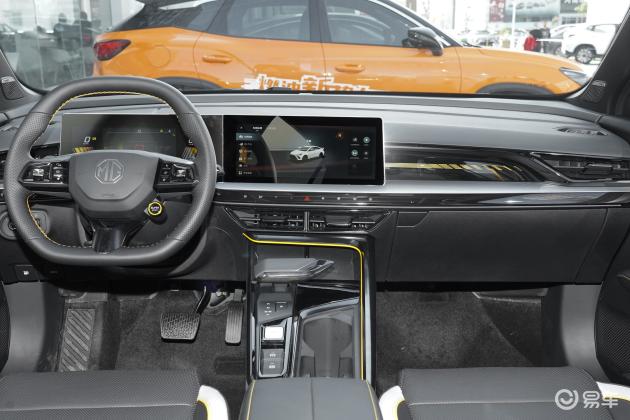
Let’s take a look at the appearance of the MG5 Scorpio first. The overall front of the MG5 Scorpio is domineering and looks very sporty. Coupled with the sharp headlights, the overall look is full of elegance. The car is equipped with LED daytime running lights, automatic opening and closing, adaptive far and near light, delayed closing and so on. Coming to the side of the car body, the size of the car body is 4695 mm * 1842 mm * 1480 mm. The car adopts simple lines, and the car body looks very simple. With large-sized thick-walled tires, the shape is quite stable. In the design of the rear end, the rear end looks very avant-garde, the taillights look very full, and the unique exhaust pipe creates a good atmosphere.

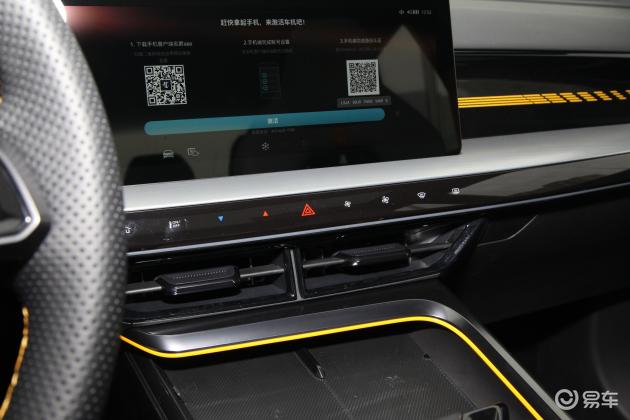
Sitting in the car, the interior looks very cute and sporty. The steering wheel of the car is very in line with the interior style, equipped with the functions of manual steering wheel up and down+front and rear adjustment, etc., and the design is full of sense. Take a look at the central control, with the 12.3-inch touch-sensitive LCD central control screen, which makes the interior style impressive, and the overall design of the central control is remarkable. Finally, let’s look at the dashboard and seats, which are very eye-catching. The car uses leather seats, equipped with functions such as electric seat adjustment and overall seat down, which is basically enough for daily use.

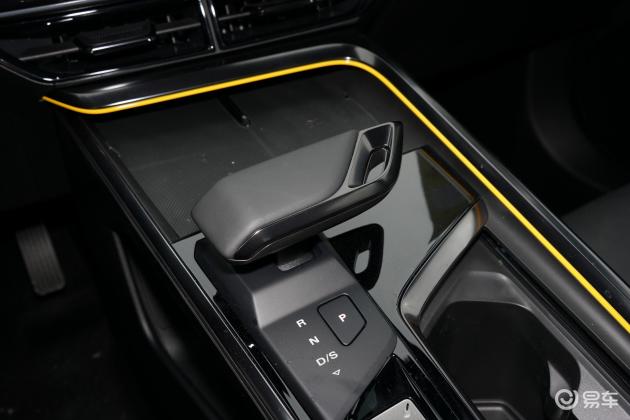
The MG5 Scorpio is matched with a wet dual clutch (DCT) gearbox, with an acceleration time of 6.9s seconds per 100 kilometers, which has good power performance and is completely OK for daily use.

The car is equipped with driving mode selection, remote control key, interior ambient light, traction control (ASR/TCS, etc.), Bluetooth /WIFI connection and other configurations, and the configuration performance is passable and basically satisfactory.

The car introduced today is remarkable in terms of space, configuration and power, and home travel is also a good helper. If you are interested, you might as well take a test drive, which will definitely bring you a different feeling.

The life of six young craftsmen.

  On the occasion of the May 4th Youth Day, the Beijing News, together with Tencent News and Aauto Quicker, launched a planning report "Picture Book of Four Seasons of Hundred Workers" to show the elegance of young craftsmen. The report shows the most unique and wonderful careers. Shooting aurora in the Arctic at-30℃, searching for Cordyceps on the snowy mountain at an altitude of 4,700 meters, and deicing the cableway at an altitude of 1,000 meters & HELIP; … We recorded the most amazing moments and touching stories of these workers with words and videos, including careers you have never heard of, wonders you have never seen, and life styles you have never tasted.

  "finless porpoise bodyguard":

  Father let me see the finless porpoise, and I will let the children see it.

  He Dongshun, patrol officer of China Green Hair Club East Dongting Lake finless porpoise reserve.

  He Dongshun (first from the right) and his colleagues are monitoring ship pollution in the waters of Dongting Bridge.

  He Dong grew up next to Dongting Lake. After graduating from college, he chose to go back to his hometown and became a patrolman in the East Dongting Lake finless porpoise reserve of China Green Hair Association. "It may be influenced by my father, who protects the finless porpoise." Three generations of He Dongshun’s family used to make a living by fishing, until his father’s generation, because an encounter had an indissoluble bond with the finless porpoise, which changed the later life track.

  "One day he went fishing and found that the net was entangled in a small finless porpoise. The female finless porpoise has been arching under the back of the small finless porpoise and arching it to the water, because the finless porpoise is a mammal and needs to surface to breathe. At that time, my father felt that maternal love was very great. " That is, from that moment on, He Dongshun’s father and finless porpoise had some inseparable connection. Since then, he began to protect the finless porpoise, and gradually gathered the fishermen around him to protect it. These fish hunters have since become guardians.

  "finless porpoise bodyguards" have to work on water for 360 days a year, and spring and winter are their busiest seasons. March-May in spring is the season for finless porpoises to breed and migrate, and October to January of the following year is the season for Dongting Lake to retreat. During this period, finless porpoises need to be protected most, and "bodyguards" should be on duty in Dongting Lake 24 hours a day. They are sunburned when they patrol the lake in summer, and the cold wind in winter seems to be carved into the bones, "but there is no way out."

  The saddest thing for me is to see the finless porpoise still smiling when he died. If we young people don’t protect the finless porpoise, no one will protect it anymore. My meaning is not to let the finless porpoise go extinct. My father let me see the finless porpoise, and I will let my children see it.

  "Chinese caterpillar fungus is beauty":

  Set up a cooperative to help local sell Cordyceps matsutake.

  Gerongzhuomu Villagers in Gongsha Village, Daocheng County, Ganzi Prefecture, Sichuan Province

  It is not easy to find Cordyceps sinensis. Every time I find a Cordyceps sinensis, Zhuomu is extremely excited.

  Gerong Zhuomu, a Tibetan girl born in 1997, is already the mother of two children. Every May, she and her family bring livestock and enough dry food to live in a small house on Cordyceps Mountain, which can save three hours on the road every day. Cordyceps can only be picked for more than one month each year, which is an important source of income for them.

  Only the highest mountain will grow Cordyceps, and the place where Gerongzhuomu collects Cordyceps is about 4700 meters above sea level. Cordyceps grows invisibly and needs rich experience and some luck to find it. Zhuomu said with a smile that since she got married for four years, her husband from Yunnan has been going up the mountain together every year, and so far no cordyceps has been found. Even Zhuomu himself can only find five or six at most a day. So every time I find a Cordyceps, Zhuomu is extremely excited.

  After the Cordyceps season, it is followed by the Tricholoma matsutake season, and Zhuomu will go to the Tricholoma matsutake mountain to look for Tricholoma matsutake in the forest. In Zhuomu’s hometown, many old Tibetans don’t know Chinese, so they can’t go out to work. They can only make a living by digging Cordyceps and Tricholoma matsutake.

  In 2017, Zhuomu asked her father to shoot a video of picking Cordyceps for her and send it online. Zhuomu became popular and became a "beauty of Cordyceps" with millions of fans. She set up a cooperative in her hometown to help local residents sell Cordyceps matsutake. This girl with only primary school culture said that she hopes to promote her beautiful hometown through her own efforts and let her folks live a better life.

  Picking cordyceps sinensis is the best thing for me. I have also gone out to work, and life outside is very stressful. I am the happiest in my hometown, and I can’t compare with it anywhere. Now this is the life I want, and I think this life is called living.

  Coral growers:

  Coral stump is planted back on the reef, and we need to make a sound for coral.

  Xia Jiaxiang, Secretary General of Shenzhen Coral Conservation Organization "Hidden Love"

  Divers pick up and plant corals at the bottom of the sea.

  Coral is becoming less and less due to trawling and garbage coverage. There is such a group of people who silently guard and rescue corals. Xia Jiaxiang, secretary general of Shenzhen Coral Conservation Organization "Hidden Love", said that corals grow fastest in summer. They dive into the bottom of the sea, pick up the coral residues broken by anchors, fishing nets and fishermen with fishing guns, fix them on a suspended net, isolate them from the sediment, observe them for six months to a year or so, and choose the coral residues that have recovered well to return to the reef.

  Xia Jiaxiang began to participate in the volunteer activities of "Hidden Love" in 2012. According to its introduction, submarine operations are sometimes dangerous, but they all think it is worthwhile. When working underwater, ships are flying over their heads, and abandoned fishing nets are floating. Once people are trapped by fishing nets and the oxygen in the gas cylinders is just not enough, it will directly threaten their lives. Xia Jiaxiang said that sometimes the temperature is very low, and it will be shivering underwater, so you have to endure to get things done, "because someone has to do things."

  "Divers are born with a feeling for corals that others can’t understand. You will think it is worthwhile to do this." Xia Jiaxiang expressed the hope that the whole society will realize the importance of coral to the whole ecology and the urgency of protecting coral, and that more people can participate.

  Coral is a poor creature, which has been silently bearing the survival pressure brought by human beings at the bottom of the sea. Coral can’t make a sound, so we have to make a sound for it. The love for coral is born to divers, and every coral stump saved is their child.

  Deicer:

  De-icing of a 1,000-meter cableway meets strong wind in treading on thin ice.

  Zhang Changheng Repairman of Tianmenshan Cableway in Zhangjiajie

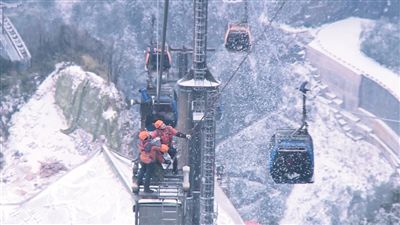
  Cableway repairmen deice ropeways at an altitude of 1,000 meters.

  Every December, the steel wire cable and communication cable of Tianmenshan cableway in Zhangjiajie will be covered with snow and frozen, and the cableway repairman Zhang Changheng needs to deice the cableway at an altitude of 1,000 meters. If the ice on the wire rope is too heavy, it will break the communication cable, which will affect the communication between the upper and lower stations, and the safety line of the ropeway support will not be guaranteed.

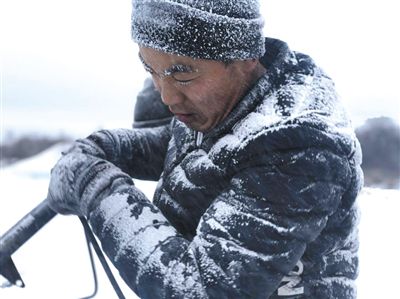
  Cableway repairmen carry out deicing operations in groups of three, with the temperature of MINUS ten degrees in the sky, and the strong wind blows on the face like a knife. Zhang Changheng said that the pole for deicing is about six meters long and weighs 256 pounds. Every time one person holds the bottom of the pole as a fulcrum, and the other person throws the pole directly on it and slams it back and forth. "It’s hard when you smash it. On such a cold day, you will basically sweat after smashing the ice."

  From time to time, the de-icing operation will encounter strong winds, and the swing range of the cable car will increase. If it shakes too much, the cable car bracket will be damaged. They sway from side to side with the cable car in the air, and all actions should be careful, which can be described as treading on thin ice.

  Tianmenshan cableway has 57 supports. When deicing, the repairman should pay attention to the operation of each bracket, "look at whether the rim is broken or worn, and whether the wire rope is running off." A deicing operation takes about one and a half hours, at least four times a day. Zhang Changheng said: "Everything is to ensure the normal operation of the ropeway. It is very fulfilling for tourists to sit on the safe ropeway and enjoy the snow scene."

  Although deicing at high altitude is cold, tiring and dangerous, I feel very satisfied to see tourists safely sitting on the ropeway. It is worthwhile to ensure the normal operation of the ropeway.

  "Forest Guard":

  Lighting fires in summer to protect forests and collecting ice in winter to help tourism.

  Deputy Chief of the Forest Fire Brigade directly under the Fire Prevention Office of Mohe City, Heilongjiang Province, Bo Han

  In winter, forest firefighters will be ice pickers for about 20 days.

  There is a forest fire brigade of about 300 people in Mohe, Heilongjiang. They usually have to ensure the fire safety of Daxinganling forest. By the end of November every year, after the forest is covered with snow, they will be ice pickers for about 20 days. Bo Han, deputy battalion chief, said that they have lived a life of "two worlds of ice and fire" for more than ten years.

  Shovel the snow on the river to expose the ice as bright as a mirror. If the ice quality is good, they will start to pick ice. They invented their own ice harvesting equipment, cut the whole piece of ice into ice cubes weighing about 200 Jin, fished it out of the river, frozen it for two hours to dry the water, and loaded it into a car to carry it away. Be very careful when picking ice. If you accidentally trample the ice, you will fall into the glacier. During the ice harvest season, they are busy from 7 am to sunset every day, and they can produce more than 2,000 pieces of ice a day. These ice cubes will be made into ice sculptures for local tourism.

  When the first thunder sounded in June, they were always nervous about the safety of the forest. The climate here is dry, and if it doesn’t rain, lightning fire will easily appear in the forest. It is difficult to find the location of lightning and fire, and it is five or six kilometers as soon as you walk in. It is very difficult for them to walk in the lush forest with fire fighting equipment on their backs. Bo Han proudly said that although there are many mountain fires every year, there have been no casualties in their team in recent years. "We have to learn how to protect ourselves every year."

  I have been engaged in this profession for more than 20 years. To be honest, this job is very bitter and tiring, but I feel very honored in my heart, because our team of 300 people has protected 770,000 hectares of green forests. After each fire is finished, I will feel gratified in retrospect.

  "light hunter":

  Shooting aurora at MINUS 30℃ wants to bring people a little light.

  Anjiu astrophotographer

  Aurora works shot by Anjiu.

  Shooting aurora at the North Pole at MINUS 30℃, my limbs are freezing; Look at the roaring wild dog for a long time, thinking that you are going to face death; Driving in the dark and encountering a snowstorm, I lost my way … … These are the thrilling moments that an Jiu, an astronomical photographer, has encountered.

  An Jiu, like a hunter, captured the fleeting sky and photographed countless amazing light and shadow. She used to be an ordinary employee of a consulting company, living a nine-to-five life every day. Three years ago, by chance, she took part in a friend’s starry photography activity. "The first time I saw the Milky Way with my own eyes, I was so shocked that I couldn’t breathe." Since then, whenever she has time, she has followed the teachers in the circle to study and shoot, chasing astronomical phenomena. As her works were gradually recognized, some magazine advertisements began to seek her cooperation. With these incomes, Anjiu began to concentrate on astrophotography.

  Winter is the best season to shoot the aurora, and she often goes to Iceland and other places to chase the splendid aurora wonders. She said that the most impressive thing was that I met a roaring wild dog while shooting at the Arctic at MINUS 30℃ and looked at her for a long time. "At that time, I felt that I was dying, but I still kept my camera. That is, from that moment on, I am sure that this is what I love and am willing to pay for. "

  When I shared my works online, more and more people sent me messages, some of them were cured by the starry sky like me, some of them went through the confusion period, and some of them regained their astronomical dreams. I think this is life affecting life. I want to convey some humanistic warmth through my works, which can bring even a little light to people.

  Written by/Beijing News reporter Tian Yuwen Li Shuyi Zhang Shuangying Cao Yuru Li Huishi Wang Xingtong Zhang Wei Intern Qian Jiaxin Photo/Respondent Photo courtesy

  Editor in Charge: Ji Xiang

Slow East and Fast West: GDP growth rate of 21 provinces is higher than the national average.

  According to the interim report cards of economic operation published by various provinces, cities and districts in China, in the first half of this year, the GDP growth rate of 21 provinces in China was significantly faster than that of the whole country. It can be said that with the continuous deepening of supply-side structural reform, new kinetic energy has accelerated its growth, and the economic development of various places has shown a development trend of high quality and high quality — —

  Recently, 31 provinces across the country have successively announced the interim transcripts of economic operations in the first half of 2017. Among them, Tibet continued to lead with a GDP growth rate of 10.8%, followed by Chongqing and Guizhou. Gansu’s GDP growth rate obviously fell behind in the western sector, and Liaoning’s GDP growth rate continued to rank at the bottom.

  The reporter found in combing the transcripts that in the first half of this year, the economic growth rate of most provinces in China was the same as that in the first quarter or rebounded, and the economic operation was generally stable and good. What is even more gratifying is that with the continuous deepening of supply-side structural reforms, new kinetic energy has accelerated its growth, and economic development in various places is not only full of color, but also of high quality. However, it is worth noting that the economic operation in some areas has been obviously divided, and the investment operation in some provinces is weak, and the economic growth momentum is obviously insufficient.

  Economic operation is generally stable.

  In the first half of this year, China’s GDP growth rate was 6.9%, of which the growth rate in the first and second quarters was 6.9%. Judging from the GDP data released by various provinces, the GDP growth rate of 21 provinces is obviously faster than the national growth rate; The GDP growth rate of Tianjin, Shanghai and Shanxi is equal to the national growth rate; The GDP growth rate of seven provinces, autonomous regions and municipalities including Beijing, Hebei, Inner Mongolia, Jilin, Heilongjiang, Gansu and Liaoning is slower than 6.9%.

  In recent years, China’s GDP growth rate has generally shown a pattern of "slow in the east and fast in the west", that is, the GDP growth rate in the western provinces is faster, followed by the central provinces, and the eastern provinces are slower, while the northeast region is facing the heavy responsibility of revitalization.

  From the first half of this year, this pattern has not changed in general. Among the 10 provinces in the eastern region, the GDP growth rate is between 6.8% and 8.3%. Compared with the first quarter, the GDP growth rate of Beijing, Tianjin, Fujian and Hainan has slowed down, while the growth rate of Zhejiang, Shandong and Guangdong provinces is flat, while the growth rate of Hebei, Shanghai and Jiangsu provinces has slightly accelerated.

  The GDP growth rate of six provinces in the central region is between 6.9% and 9%. Among them, Jiangxi’s growth rate is 9%, which is the same as that in the first quarter, and it is in the leading position among the six central provinces, and the growth rate of the other five provinces is faster than that in the first quarter.

  It is noteworthy that after 13 quarters of sluggish performance, Shanxi’s GDP growth rate was 6.9%, which finally caught up with the national pace, and the economic growth gradually entered a reasonable range, showing a development trend from "fatigue" to "prosperity". Previously, Shanxi’s economy once suffered a cliff-like decline, ranking in the bottom position of the country, with an economic growth rate of only 3.1%.

  Among the western provinces, the GDP growth rate of 10 provinces is above 7%, which is obviously faster than the national average growth rate; Tibet, Chongqing and Guizhou provinces continued to maintain double-digit growth, ranking the top three in terms of growth rate and leading other provinces in China for several quarters.

  Gansu’s GDP growth rate is worrying. In the first quarter of this year, Gansu’s GDP growth rate was 6.1%. Although it was at the bottom in the western region, it was still faster than the three northeastern provinces. From the first half of the year, Gansu’s economic growth rate was only 5%, which was 1.9 percentage points slower than the national growth rate, 1.6 percentage points slower than Inner Mongolia, which is in the penultimate position in the western region, and 5.8 percentage points slower than Tibet, the leader of the western provinces. This performance may mean that Gansu’s economic development is in danger of "taking the lead and falling behind" in the western provinces.

  The GDP growth rate of the three northeastern provinces is still slower than the national growth rate. Among them, the GDP growth rate of Heilongjiang and Jilin is 0.2 and 0.6 percentage points faster than that of the first quarter, and Jilin also surpassed Heilongjiang with an increase of 0.6, and the economic growth rate is in the leading position among the three northeastern provinces. Liaoning’s GDP growth rate is only 2.1%, 0.3 percentage points slower than the first quarter, and the growth rate is at the bottom of the country.

  Improve quality and increase efficiency steadily.

  In the first half of this year, while maintaining a stable economic growth rate, China’s economic structure continued to be optimized, and economic growth improved quality and efficiency steadily.

  Combing the economic performance of the provinces in the first half of the year, the provinces adhere to the main line of promoting supply-side structural reform, constantly optimize the economic structure and strive to improve the quality and efficiency of development while maintaining a stable overall economic operation.

  In the first half of this year, the growth rate of total consumption in the whole social market was 3.1 percentage points higher than that of fixed assets investment in the whole society, and the dominant position of consumption was more prominent.

  The growth rate of 6.8% in Hebei Province in the first half of the year is the highest level since 2014. Tian Yan, deputy inspector and spokesperson of Hebei Provincial Bureau of Statistics, said that the "three to one, one reduction and one supplement" in Hebei Province has achieved remarkable results, of which the reduction in steelmaking capacity was 15.72 million tons and ironmaking capacity was 14.08 million tons. At the same time, the growth rate of added value of high-tech industries is 4.4 percentage points faster than that of industries above designated size, and the proportion of added value of industries above designated size is further increased; Strategic emerging industries have developed rapidly, and the growth rate is faster than that of traditional industries. In terms of new formats, e-commerce, online shopping, express delivery, sharing economy and other fields have developed rapidly.

  "The service industry has become the main driving force for Chongqing’s economic growth." Qin Yao, deputy director and spokesperson of Chongqing Municipal Bureau of Statistics, pointed out that in the first half of this year, Chongqing’s economy was in a good state of operation, and the supply-side structural reforms showed results. The new economy gradually grew and new kinetic energy gradually accumulated. The growth rate of tertiary industry in Chongqing is higher than that of primary and secondary industries, which is one of the effects of local economic restructuring and one of the reasons why Chongqing’s economy remains stable and rapid.

  Han Zuhai, chief statistician of the Statistics Bureau of Guangxi Zhuang Autonomous Region, said that in the first half of the year, the endogenous driving force of Guangxi’s economic growth continued to be released, the total retail sales of social consumer goods increased by 10.6%, and the sales of products with consumption upgrades were relatively good. The new economy represented by new industries, new formats and new business models continued to maintain rapid growth, and the quality and efficiency of economic operation were significantly improved.

  "Whether it is the operation situation, economic structure, the growth of new power, the quality of operation and the improvement of people’s livelihood, it can be seen that Guangxi’s economic operation in the first half of the year was steady and rising, and it laid a more solid foundation for achieving the annual development goals and striving for better results in practical work." Han Zuhai said.

  Investment differentiation deserves attention.

  In the first half of the year, the national investment in fixed assets (excluding farmers) increased by 8.6% year-on-year, and the growth rate was the same as that from January to May. The investment structure continued to be optimized, the growth rate of manufacturing investment and private investment rebounded, and positive factors in investment operation gradually accumulated.

  From the perspective of provinces, while increasing investment in fixed assets, all localities pay more attention to the function of investment to make up for shortcomings. Beijing’s investment in fixed assets pays more attention to social benefits. In the first half of the year, infrastructure investment contributed more than 90% to the city’s investment growth, mainly in transportation, energy, water affairs, greening and other fields.

  In the first half of the year, the investment in people’s livelihood projects in Hunan Province increased by 23.1% year-on-year, and the growth rate was 10.7 percentage points faster than the total investment. Among them, investment in education increased by 10.5%; Investment in health and social work increased by 42.6%.

  Ningxia’s investment in fixed assets increased by 9.5% in the first half of the year. Among them, investment in short-board areas grew well, with investment in agriculture, forestry, animal husbandry and fishery increasing by 65.4%, investment in transportation, warehousing and postal services by 24.8%, investment in information transmission, software and information technology services by 17.7%, and investment in water conservancy, environment and public facilities management by 1.0 times.

  It is noteworthy that in the first half of the year, the investment in various provinces showed obvious differentiation. Among the 31 provinces, the investment growth rate of 19 provinces is faster than that of the whole country. Among them, the growth rate of investment in Xinjiang, Guizhou and Tibet is above 20%, which is in the leading position; The growth rate of investment in 14 provinces such as Yunnan and Guangdong is between 10% and 20%.

  Among the 12 provinces whose investment growth rate is slower than the national growth rate, Jilin, Liaoning and Gansu provinces have the lowest investment growth rate. Among them, the growth rates of investment in Liaoning and Gansu were -31.4% and -36.3%, respectively, which were 6.5 and 5.7 percentage points higher than those in the first quarter. The sharp decline in investment in fixed assets has seriously dragged down economic growth, which is an important reason why Gansu and Liaoning rank at the bottom of GDP growth rate.

  The investment in fixed assets still plays a key role in macroeconomic growth. At present, the differentiation of investment operation in different provinces, especially the continuous slowdown of investment growth in Liaoning and Gansu, should be highly valued.

  Zhao Peiya, inspector of the Investment Department of the National Bureau of Statistics, wrote that at present, China should continue to unswervingly promote supply-side structural reforms and expand reasonable and effective investment; Grasp transformation and promote upgrading, and strive to revitalize the development of the real economy such as manufacturing; Strengthen support and guidance for emerging industries and vigorously cultivate new kinetic energy for development; Effectively implement various policies on private investment and better stimulate the vitality of private investment.

Folk customs in Fujian: the traditional festival customs in Fuzhou started from the Dragon Boat Festival.

  China News Service, Fuzhou, June 6 th: The Dragon Boat Festival "ends" the traditional festivals and customs in Fuzhou.

  China News Service reporter Lin Weili

  As the Dragon Boat Festival approaches, many people in Fuzhou put up such red couplets in front of their doors. These words, which are neat and full of philosophy of life, are a unique culture of the Dragon Boat Festival in Fujian in the early years.

  In addition to posting lunch books, Fuzhou people will spend more unique traditional customs on the Dragon Boat Festival, which was included in the national legal holiday for the first time this year.

  According to Mr. Fang Binggui, a folk expert in Fuzhou, there are roughly ten activities in Fuzhou’s traditional Dragon Boat Festival, and a folk song sings these contents in a nutshell: "The Dragon Boat Festival is full of drums, and the belly is replaced by spring clothes; Dragon boat races in the river, sachets hanging on the children’s lapels; Every family is busy wrapping zongzi, and every household is happy to hang pu; Poison male yellow rice wine, avoid evil five-color symbol; Let the yellow smoke go, and post the noon book. "

  Among these ten activities, the belly pocket, sachet and midday book are the treasures in the cultural treasure house of the Dragon Boat Festival in Fujian, especially the midday book, which is unique to only Fuzhou Shiyi in China and can be called a must in China.

  Liang Zhangju’s "Couplet Conghua" in the Qing Dynasty recorded that Fuzhou folk customs, every year on the fifth day of the fifth lunar month, the Dragon Boat Festival, must use red paper, write the antithesis, and stick it on the column, which is called "noon book". It is said that this custom existed in the Ming Dynasty, and it is called "the separation of peach symbols", which is actually a kind of festival couplets.

  However, with the accelerated pace of modern life, many old customs are gradually forgotten. This year, the Dragon Boat Festival was included in the national legal holiday for the first time. Although the three-day holiday is not long, it gives people time to settle down, return to tradition and regain all kinds of fun in the past.

  Miss Lin, who works in a media in Fuzhou, has been busy making dumplings-shaped sachets recently. She said that her grandmother taught her this when she was a child. When she grew up, she stopped doing it for a long time because of her busy study and work. However, this year’s Dragon Boat Festival has a strong festive atmosphere throughout Rongcheng, which reminds her of the Dragon Boat Festival sachets that have been put on hold for a long time, so she decided to pick up colorful colored lines again and make more sachets with her own blessings for relatives and friends.

  Some hotels and restaurants in Fuzhou have not only sold all kinds of delicious zongzi this year, but also added many activities with local characteristics, such as writing lunch books for the citizens, letting grandparents put Chinese-style covers on children, hanging fragrant bags and so on.

  On the occasion of the Dragon Boat Festival, Fuzhou will also hold "Our Festival-Dragon Boat Festival Theme Cultural Activities": reading Chinese classics, reappearing hanging white wormwood, hanging calamus, wearing sachets, wearing purses and drinking realgar wine will be presented one by one, and the traditional customs of the Dragon Boat Festival in Fuzhou will be interpreted.

  As one of the most famous activities of the Dragon Boat Festival, dragon boat racing is also essential for the annual Dragon Boat Festival in Fuzhou. Although the Fuzhou Dragon Boat Race was held in another place this year, Guangming Port, as the most traditional dragon boat race place in Fuzhou, has not been deserted. Every year from the first day of May to the fifth day of May, even if there is no dragon boat race here, the dragon boats of all villages will still go into the water to worship God and seek peace.

  At this time, many citizens always come to watch. Residents living nearby said that every year on the Dragon Boat Festival, there will be 50 or 60 dragon boats launched here. Whenever the dragon boat passes by, people will set off firecrackers to cheer for the dragon boat and pray for a safe and smooth year. (End)

Supreme Inspection: Curbing Cyber Crimes Involving Minors and Building a "Firewall" for Minors’ Cyber Security

  Cctv news: On the afternoon of May 31st, the Supreme People’s Procuratorate held a meeting to "protect the flowers with peers — — Strengthen the comprehensive performance of minors’ network protection, inform the procuratorial organs of the main situation of promoting minors’ network protection, release relevant typical cases, and answer questions from reporters.

  Na Yanfang, director of the Ninth Prosecutor’s Office of the Supreme People’s Procuratorate, introduced the situation that the procuratorial organs focused on the crux of cyberspace, comprehensively and actively performed their duties, and further promoted the network protection of minors.

  First, based on the combination of criminal punishment and accurate assistance and education, resolutely curb the momentum of cyber crimes involving minors.

  First, severely punish cyber crimes that infringe on the rights and interests of minors according to law. Procuratorial organs have always adhered to the "zero tolerance" attitude, severely punished the crime of using minors to commit telecommunication network fraud according to law, and severely cracked down on criminal activities such as using the network to "molest" minors from a distance, infringing on minors online and offline, building and operating pornographic websites involving minors, using instant messaging tools and live broadcast platforms to spread obscene articles involving minors, infringing on minors’ personal information, etc., and maintained a strong blow and shock, and resolutely avoided making cyberspace a child’s injury, parents’ pain and social pain. From 2020 to 2022, procuratorial organs prosecuted 7,761 people suspected of using telecommunication networks to infringe on minors. Prosecuting crimes such as "obscene from a distance", "online contact, offline sexual assault" accounts for nearly one-sixth of the crimes of sexual assault against minors.

  The second is to punish and help minors suspected of cybercrime according to law. Procuratorial organs adhere to the combination of punishment according to law and accurate assistance and education, accurately identify the status and role of minors in cyber crimes, and take more targeted measures to improve the effectiveness of education and probation. For serious crimes, resolutely punish them according to law, so that minors involved in crimes can fully feel the majesty of the rule of law. From 2020 to 2022, procuratorial organs prosecuted 7,221 minors suspected of using telecommunication networks to commit crimes. For minors who are not subjectively vicious, have minor crimes, are first-time offenders, occasional offenders, and have positive repentance, they are "tolerant and not indulgent, strict and loving" while being given a lighter punishment according to law. From 2020 to 2022, the procuratorial organs applied conditions not to prosecute 2,749 minors suspected of helping the crime of information network crime, and helped the minors involved in the crime to correct their mistakes, get lost and return to society through targeted and accurate assistance and education.

  Second, give play to the advantages of centralized and unified handling of minor procuratorial business, and comprehensively protect the legitimate rights and interests of minors in cyberspace.

  First, multi-dimensional rescue and protection of underage victims. For minors who have been infringed by the internet, comprehensive rescue and protection will be carried out in time, and with the help of professional strength, the relevant units such as education, civil affairs, the Communist Youth League, women’s federations, and the Working Committee will provide psychological counseling, psychological assistance, loss recovery, life assistance, and employment resumption, so as to help juvenile victims get rid of the shadows, get out of difficulties, and return to normal and happy study and life as soon as possible.

  The second is to strengthen the protection of civil rights and interests of minors. In view of the situation that minors’ civil rights and interests in cyberspace are frequently damaged but difficult to defend their rights, procuratorial organs help minors to safeguard their legitimate rights and interests according to law by providing legal advice and guidance, urging guardianship and safeguarding rights, and supporting civil prosecution. For minors who exceed their age and intelligence in online consumption, webcasting, game sparring and other scenes, the procuratorial organs help minors safeguard their rights and interests and resolve disputes by supporting prosecution according to law. In the case of minors’ personal information and privacy disclosure and network intrusion, the procuratorial organs can effectively protect minors’ personality rights by supporting the filing of infringement lawsuits and the application for prohibition of infringement of personality rights according to law.

  The third is to actively promote the protection of public interests of minors. In view of the infringement of minors’ personal information by some short video platforms, the bottomless marketing of food for minors by e-commerce platforms, and the existence of drug-related audio and video information on online platforms, the procuratorial organs actively and steadily perform the procuratorial function of public interest litigation, urge administrative departments to fully perform their supervisory duties according to law through administrative public interest litigation, and make network operators bear civil responsibilities through civil public interest litigation, so as to promote the rectification and solution of problems and effectively safeguard the public interests of minors. From 2020 to 2022, procuratorial organs filed a total of 341 public interest litigation cases involving minors’ online rights and personal information protection.

  The fourth is to do a good job in handling cases and guiding rules. The Supreme People’s Procuratorate focused on the difficult issues of minors’ network protection, and successively issued No.43, No.141 and No.174 guiding cases, clarifying a series of rules for handling cases, such as criminal prosecution of "indecent assault from a distance", network protection of public interest litigation jurisdiction across administrative divisions, and civil support prosecution of network contract disputes, and providing case guidance and rule guidance for handling similar problems. The Supreme People’s Procuratorate issued a number of typical cases such as the protection of personal information of minors, the procuratorial supervision of big data empowerment, and the governance of emerging formats, providing reference and guidance for all localities.

  Third, promote the comprehensive management of minors’ network protection and build a "firewall" for minors’ network security.

  The first is to issue the "No.6 Procuratorial Proposal". The Supreme People’s Procuratorate has sorted out the new characteristics and trends of cyber crimes involving minors. In view of the chaos of cyberspace infringing on minors’ physical and mental health, in 2020, it specially issued the "No.6 Procuratorial Proposal" to promote relevant departments to jointly promote the comprehensive management of cyberspace infringing on minors’ rights and interests.

  The second is to help the industry rectify. In 2021, the Supreme People’s Procuratorate informed the National Network Information Office of the handling of the case, and put forward suggestions such as carrying out special industry governance, compacting the responsibility of network operators, promoting the improvement of algorithm rules by Internet companies, and promoting the long-term mechanism of network security.

  The third is to deepen the governance of the source of complaint. Focusing on the source of network protection problems, local procuratorial organs have actively promoted the treatment of the source of complaints and treated both the symptoms and root causes, aiming at the outstanding problems that are harmful to the healthy growth of minors, such as indulging in online games and being infringed by bad information, through talks and consultations, information notification, procuratorial suggestions, public interest litigation, and cooperation with the "card-breaking" and "net-cleaning" actions, and strive to eliminate hidden dangers in cyberspace.

  The fourth is to work together to build a security line. Adhere to prevention first, and guide minors to use the Internet safely through various ways, such as carrying out the rule of law on campus, prosecutors serving as vice presidents of the rule of law, issuing "supervision and guardianship orders", and publicity and education on network security, so as to effectively prevent network crimes. Cooperate with families, schools, society, government, network supervision departments and network enterprises to jointly manage and effectively prevent, and work together to build a network security defense line for minors.