标签归档 广州蒲典网

Many people are wrong. Mao Zedong is not an "assistant" at Peking University.

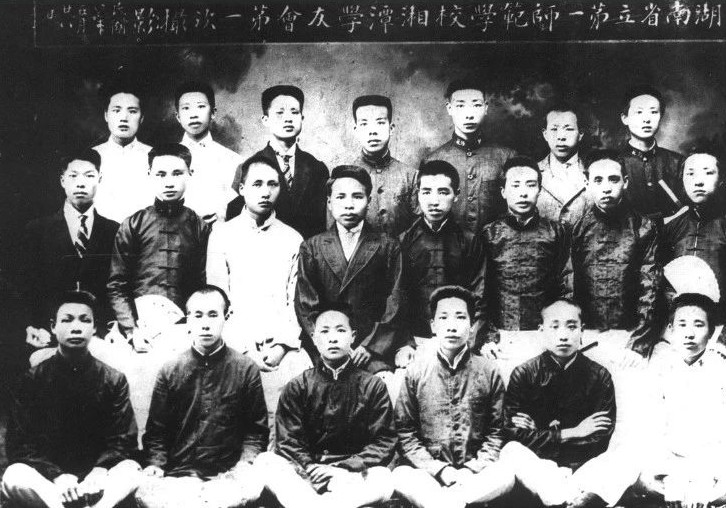
In May, 1919, a group photo was taken by Xiangtan Alumni Association of Hunan First Normal University, with Mao Zedong in the second row and the third from the left.

Author: Liu Yue, deputy inspector of Party History Research Office of Beijing Municipal Committee of the Communist Party of China.

Before the liberation of Beijing, Mao Zedong had only been to Beijing twice before and after the May 4th Movement. During these only two trips to the North, I have to mention his experience of "working" in Peking University Library.

On August 15th, 1918, Mao Zedong, Luo Xuezan, Xiao Zisheng, Zhang Kundi, Luo Zhanglong, Li Weihan and Chen Zanzhou left Hunan for Beijing on the 19th.

I came to Beijing this time to organize young people from Hunan to work and study in France, and also at the invitation of my teacher Yang Changji. The next day, Mao Zedong’s tall and thin figure appeared in the "Bancang Yangyu" at No.9 (now No.15) of the ancient Doufuchi Hutong.

Yang Changji hopes that Mao Zedong will either go to France or stay in Peking University to study for several years, and keep Mao Zedong and Cai Hesen here. Therefore, Mao and Cai temporarily stayed in the single room in the south room of Yangzhai quadrangle next to Xunmen in the southeast corner.

Because the members of Xinmin Society who came to Beijing lived in scattered places, it was inconvenient for them to carry out activities. Soon, Mao Zedong and others rented three rooms at No.7 (now No.8, Zuo Lane, Ji ‘an), a passageway in Sanyanjing Hutong, Jingshan East Street near Peking University at that time, and left the "Bancang Yangyu" in Tofu Pool Hutong.

Beijing "rice" is expensive, and "living in white" is not easy. Mao Zedong needs to find a job and earn some money in Beijing. So he asked Yang Changji for help.

In September, 1918, Li Dazhao, director of Peking University Library, got a temporary job for Mao Zedong in the library, which was introduced by Mr. Yang and recommended in writing by Cai Yuanpei, president of Peking University. He was mainly responsible for managing 15 Chinese and foreign newspapers in the second reading room (newsprint reading room, which is today’s newspaper reading room), registering the names of readers, with a monthly salary of 8 yuan.

For the name of Mao Zedong’s temporary job in Peking University Library at that time, many works have slightly different descriptions.
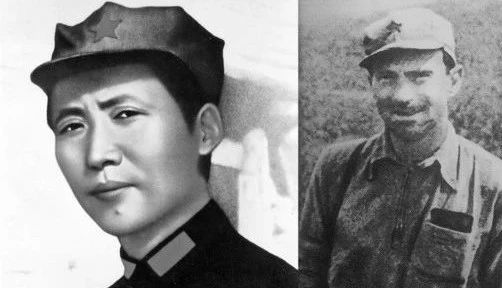
Mao Zedong (first from left) and Si Nuo

For example, Si Nuo’s "Red Star over China" records that Mao Zedong himself said: "Li Dazhao gave me a job as a library assistant, and the salary was not low, with eight yuan a month."

"Biography of Mao Zedong" compiled by the Central Committee of the Communist Party of China Literature Research Office wrote: "In October, Mao Zedong met Li Dazhao, then the director of Peking University Library, through the introduction of Yang Changji. Li Dazhao arranged for him to be an assistant in the library. "

So, what is the name of Mao Zedong’s temporary job in Peking University Library?

The author believes that it is neither an assistant nor a clerk, but a secretary, based on six reasons.

1. There is no job title of "Assistant"

According to the 1920 National Peking University Staff Record, there is no "assistant" job title not only in the Peking University Library, but also in the whole Peking University institution.

2. Among the four types of staff in Peking University Library, it is more appropriate to say "secretary".

According to the Trial Regulations of the Library Department of the General Affairs Department of Peking University published in Peking University Journal on May 10th, 1920, Peking University Library has four courses: management, reading, book management and bibliography compilation, with two rooms for sending and receiving handouts.

In addition to the director of the library, there are four categories of staff:

Teaching assistant-responsible for collecting books in the library and guiding students to borrow and refer. The staff was appointed from Peking University graduates and was established in September 1920;

Clerk-senior library staff, and the "leading class" of each course is served by the first-class clerk;

Secretary-generally held by newly hired novices;

Handyman-including bookbinder, typist, copywriter, etc.

It can be seen that there was no "assistant" position among the four types of staff at that time. From the above provisions, it can be seen that the post of "teaching assistant" in Peking University Library was set up in September 1920, and Mao Zedong left Peking University in March 1919, so it is impossible to hold the post.

In addition, he has never studied or worked in Peking University before, and it is impossible for him to be a clerk. His work category obviously does not belong to the category of "handyman".

Mao Zedong’s work in Peking University Library and his status as a new recruit are similar to the responsibilities and requirements of the "secretary".

3. Mao Zedong didn’t state that he was an "assistant" at that time.

Mao Zedong mentioned in "Letter to Seven or Eight Uncle’s Parents" on April 28th, 1919 that "my niece works as a clerk in Peking University, Beijing". He himself did not state that he was an "assistant". The post of "secretary" is the most appropriate with "staff".
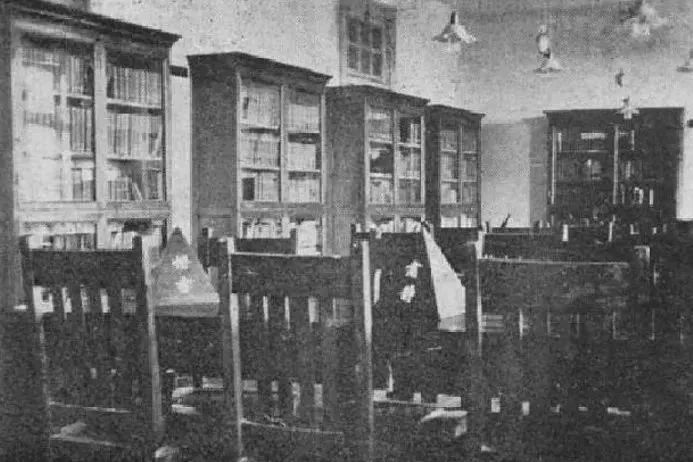
In 1930, Jiang Menglin was appointed as the president of Peking University, and it was stipulated that one-fifth of the school’s funds should be used as the funds for books and instruments, and at the same time, it was ready to raise funds to build a new library.

4. Memories of Jiang Menglin

Jiang Menglin, acting president of Peking University, said in the article Li Dazhao and Mao Zedong in Memories:

Mao Zedong became a secretary in Peking University Library when I was acting as principal. One day, Li Shouchang (Li Dazhao) came to the principal’s office and said that Mao Zedong had no food. What should I do? I said, why not let him still run a cooperative? He said no, they were all broke. I said, is there anything wrong with the library? Just give him a position. So I picked up a pen and wrote a note: Mao Zedong was appointed as the librarian with a monthly salary of 17 yuan.

Jiang Menglin’s memory is obviously wrong in time. Cai Yuanpei left Peking University after the May 4th Movement in 1919. In July, Jiang Menglin took charge of the affairs of Peking University, and it lasted for two months until the new semester of Peking University started in September.

Mao Zedong worked in Peking University Library from September, 1918 to March, 1919. For about half a year, it was four months after Mao Zedong left Peking University. It was impossible for Mao Zedong to get a position in Peking University. Jiang Menglin’s memory, however, clearly shows that the name of the temporary errand Mao Zedong seeks is "secretary".

5. Memories of Xiao Zisheng

According to Fan, a classmate of Mao Zedong Hunan Provincial First Division and one of the main organizers of Hunan’s work-study program in France, Xiao Zisheng recalled in Mao Zedong and Me:

Because of the difficulties in life, they wrote to ask Cai Yuanpei if he could give his classmates a job of cleaning the classroom. When President Cai learned about this, he had a better idea and wrote a letter to Li Dazhao, the director of Peking University Library: "Mr. Shou Chang’s great advice: If Mao Zedong wants to get a part-time job in this school, please try to place a secretary in the library, who is responsible for sorting books and cleaning rooms, with a monthly salary of eight yuan. Cai Yuanpei today. "

Therefore, Li Dazhao arranged for Mao Zedong to clean the room and arrange books, which was a very simple task.

Xiao Zisheng’s memory also made it clear that the name of the temporary job Mao Zedong sought was "secretary".

6. There are mistakes in understanding and translation of individual nouns.

Cha Mao Zedong was appointed as a "library assistant", which was based on the book Red Star over China written by Hussenot. The book Red Star over China was dictated by Mao Zedong, translated by Huang Hua and written by Si Nuo in English. Therefore, mistakes in the understanding and translation of individual nouns are inevitable.

The word "assistant" in the English version of Red Star over China does mean "assistant, assistant and teaching assistant", and the translator translated it into Chinese literally, which gave rise to the widely spread saying that Mao Zedong was appointed as an "assistant" in Peking University Library.

To sum up, I think the job title of Mao Zedong in Peking University Library should be "secretary".

However, the "secretary" of Mao Zedong’s library at that time was quite different from the "secretary" who is now the main person in charge of political party organizations at all levels.

In ancient Chinese, "book" refers to letters and "notes" refers to notes. In the old days, "secretary" refers to people who are engaged in official document copying, belonging to low-level petty officials at the transaction level and office level.

The person in charge of the working-class political party is called the "secretary", which originated from Marx and Engels. At the beginning of 1846, the "Communist Communication Committee" (later renamed communist party), which was founded in Brussels, called the head of the organization "secretary", which means "public servant".

[Reference]

[1] Edgar Si Nuo: "Red Star over China", life reading and new knowledge Joint Publishing Company Limited, 1979 edition, p. 127.

[2] the Central Committee of the Communist Party of China Literature Research Office: Biography of Mao Zedong, Central Literature Publishing House, 1996, p. 41.

[3] the Central Committee of the Communist Party of China Literature Research Office, Mao Zedong Research Group, Shaoshan Mao Zedong Memorial Hall: "Letters from Mao Zedong to relatives and friends in Shaoshan", Central Literature Publishing House, 1996, p. 5.

[4] Jiang Menglin: "Li Dazhao and Mao Zedong in Memories", in Zhang Jingru’s Chronology of Li Dazhao’s Historical Materials, Shanghai People’s Publishing House, 1984, p. 59.

[5] Ma Yong: Biography of Jiang Menglin, Henan Literature and Art Publishing House, 1999, p. 99.

[6] Xiao Yu: "Mao Zedong and I" abridged translation of the fifth, contained in Taiwan Province’s "Arts and Records" No.20 p.20, May 1967.

This article was published on WeChat WeChat official account: Dongfanghongla (ID: dongfanghongla), please indicate the source.
Investigation and thinking on solving the "three difficulties" dilemma of labor dispatch industry

With the economic development and active labor market, the rapid development of labor dispatch industry has brought many problems and challenges. Recently, Zhenjiang Municipal Bureau of Human Resources and Social Security conducted a survey on the current situation of the labor dispatch industry in the city. The author analyzed and thought about the "three difficulties" of the current administrative supervision, the confirmation of the main body of employment and the protection of employees’ interests.

First, the current situation and development trend of labor dispatch industry

Labor dispatch originated in America. As a way of employment, it relieves the structural contradiction of employment in this region to some extent, reduces the burden of human resources management of employers, and promotes economic and social development and population mobility. First, there has been a sharp increase in quantity. In 2019, there were 222 labor dispatch companies in the city. Up to now, there are 670 registered businesses, with a net increase of 448 in five years, with an increase of 202%. Second, the number of labor dispatch workers has increased substantially. In 2019, there were 28,609 labor dispatch workers in the city. By the end of 2023, the total number of labor dispatch workers in the city had increased to 40,246. Third, the proportion of outsourcing business of dispatching companies has increased. In order to avoid the related constraints such as "three jobs", "equal pay for equal work" and "10% dispatch ratio", many labor dispatch units operate in a mixed way in the form of outsourcing+dispatch.

The above phenomenon will still exist in the future, and it may even expand further. However, there are too many and rotten labor dispatch enterprises, and some labor dispatch enterprises are not standardized, and the management and service level of labor dispatch is relatively low; In some industries and some enterprises, the proportion of labor dispatch workers is high, and there are different pay for the same work, different social insurance and different welfare treatments, which leads to the phenomenon of frequent labor disputes, which shows an upward trend year by year, to a certain extent, affects the improvement of workers’ skills and quality, affects workers’ loyalty and sense of belonging to enterprises, intensifies the instability and crisis of employment, and the trend of marginalization of labor relations is more and more obvious.

Second, the bottleneck affecting the high-quality and standardized development of labor dispatch field

First, the laws and regulations authorize the law enforcement supervision basis to be insufficient.The phenomenon of labor dispatch in different places is widespread and widely permeates local employers. However, due to the restrictions of current laws and regulations, local law enforcement agencies cannot enforce the law on labor dispatch companies registered outside this city. Although the superior documents require that the dispatch in different places should be filed locally, there is no mandatory effect, and the actual filing and effect are very small, so a large number of dispatch companies in different places are outside the legal supervision.

Second, the self-discipline mechanism of the labor dispatch industry has not been fully established.Many labor dispatch enterprises set up recruitment stations or cooperative companies in other provinces and cities, and according to the lack of work in local employers, they suddenly organized personnel to come to work. After the order task was completed, it was quickly dissolved, resulting in a large number of short-term unemployment. For example, most courier companies recruit a large number of workers during the "Double Eleven" and "Double Twelve" periods, and after the time and tasks are completed, they quickly return the labor services to the dispatching company. Therefore, it is particularly important to standardize the classification of labor dispatch industry and strengthen the self-discipline of relevant associations.

Third, fake outsourcing and real dispatching make it difficult to defend rights.Labor outsourcing and labor dispatch belong to two different legal concepts. Some labor dispatch companies sign labor outsourcing agreements with employers, but what they actually perform is labor dispatch. The affiliated outsourcing companies are basically registered in other provinces and cities, avoiding local supervision. Moreover, the employment relationship has changed from the original "labor lease" to "project entrustment", and when the rights and interests of workers are seriously damaged, it is easy to push each other.

Third, some thoughts and suggestions on strengthening and improving the supervision service of labor dispatch

Labor dispatch is a kind of supplementary employment, and the rights and interests of its workers should be respected and protected. How to put the labor dispatch back on the right track and strengthen and improve the supervision service is an urgent problem to be considered and solved at present.

First, insist on tapping potential internally and make efforts to integrate dispatching management resources.The municipal human resources and social security department will further sort out the regulations and responsibilities related to labor dispatch, take the implementation of high-quality assessment mechanism as the starting point, integrate internal resources, tap the potential of supervision services, make concerted efforts, and realize the advancement of customs. Adhere to the "Interim Provisions on Labor Dispatch" and the "Measures for the Implementation of Administrative License for Labor Dispatch", and issue the "Notice on Further Standardizing Labor Dispatch in Our City" to urge labor dispatch companies to sign labor dispatch agreements and labor dispatch contracts with employers, fulfill their legal obligations, ensure that the signing rate of labor contracts reaches over 98%, and gradually realize the standardization and legalization of labor contract management.

The second is to highlight the source governance and work hard to strengthen the management of dispatching in different places.Inter-provincial and inter-city labor dispatch has always been a difficult and painful point for the supervision of human and social departments. The difficulty lies in the limitation of law enforcement jurisdiction, and the interests of employers and dispatching companies are tied and reconciled with each other, which damages the legitimate rights and interests of labor dispatch workers such as social security insurance, welfare benefits, rest and vacation. In the next step, the Municipal Bureau of Human Resources and Social Security will further intensify its work. On the basis of extensively soliciting opinions from people’s congresses, CPPCC, courts and other units, it will strengthen the source management of employers who use off-site dispatch but have not filed locally in the form of policy documents, and reverse the unfavorable situation of difficult supervision of off-site dispatch.

The third is the operation evaluation mechanism, which makes great efforts to improve the self-discipline management of the industry."Standard for Credit Rating Evaluation of Labor Dispatching Units in Jiangsu Province (DB32/T 4420-2022)" was officially implemented. The municipal human resources department will conduct credit rating evaluation on enterprises that have obtained business licenses, labor dispatch business licenses issued by administrative licensing authorities or labor dispatch branch registration certificates and operate labor dispatch business within the validity period, and through the province’s integrated information platform for people and society, Push the credit rating evaluation results to the public credit information system at the same level, release the credit rating information of labor dispatch units, and implement corresponding supervision measures for labor dispatch units rated as "C" credit rating. I believe that through several years of guidance and efforts, the awareness of self-discipline and law-abiding in local labor dispatch enterprises will be greatly improved.

The fourth is to increase the cost of illegal activities and work hard to jointly investigate and deal with violations.Continue to increase cooperation with market supervision departments and tax authorities, and strengthen supervision and inspection of labor dispatch units in accordance with the work requirements of "double random and one open". An inspection team composed of people’s organizations, market supervision, trade unions, women’s federations, youth league committees and disabled persons’ federations shall be set up to supervise and inspect the implementation of the employer’s labor contracts, labor remuneration, social insurance and training systems, as well as the implementation of systems related to the vital interests of workers, such as employment posts, employment scope and employment ratio. Strengthen the nuclear strength of the labor dispatch application materials and other related contents, put an end to the dispatch business in the name of outsourcing, and deal with the labor dispatch business without permission according to the relevant provisions of the Labor Contract Law.

The increase in subsidies and the adjustment of the payment base medical insurance have affected the money bag.

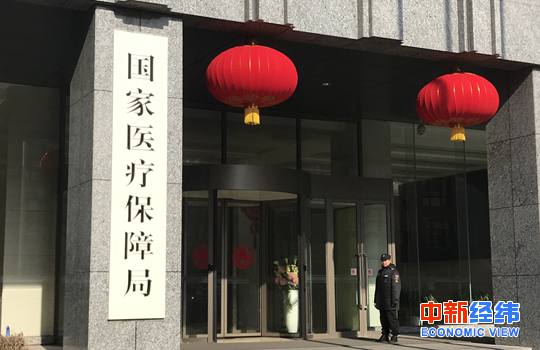
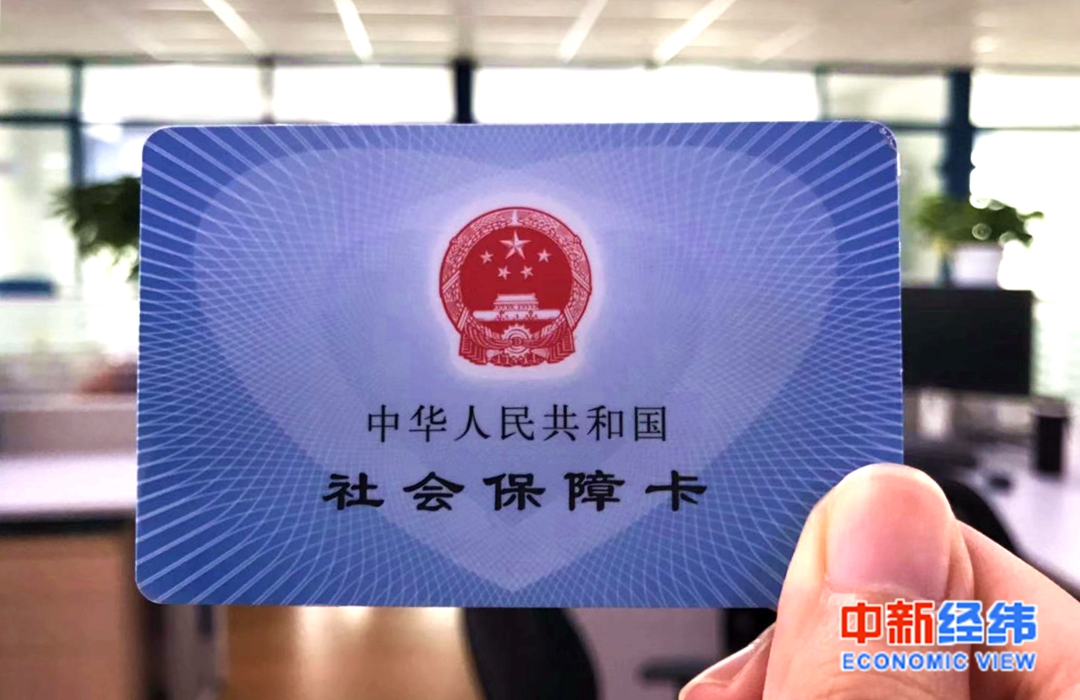
  Zhongxin Jingwei Client July 4 (Xiong Jiali) Recently, the state announced a number of policies related to medical insurance. The per capita financial subsidy standard for medical insurance increased the 30 yuan, adjusted the upper and lower base of medical insurance contributions for employees in many places, improved the protection level of serious illness insurance, and paid medical insurance for nucleic acid testing projects & HELIP; … There are these changes in your medical insurance. Come and find out!

  Photo by Xin Jingwei Xiong Jiali in the data map

  Medical insurance contributions have changed.

  Changes in medical insurance contributions are mainly reflected in government subsidies and the upper and lower base of medical insurance contributions for employees.

  In terms of government subsidies, on June 17th, the National Medical Insurance Bureau, the Ministry of Finance and the State Taxation Administration of The People’s Republic of China jointly issued a notice, demanding that in 2020, the per capita financial subsidy standard of basic medical insurance for urban and rural residents should be increased by 30 yuan, reaching a level not lower than that of 550 yuan per person per year. In principle, the individual payment standard will be raised simultaneously in 30 yuan, reaching 280 yuan per person per year.

  In terms of adjusting the upper and lower base of employee medical insurance contributions, according to the incomplete statistics of Zhongxin Jingwei client, as of July 3, Fujian, Hebei, Beijing and Jilin have issued relevant measures to adjust the upper and lower base of employee medical insurance contributions in 2020.

  On June 29th, Fujian Province made it clear that according to the average annual salary of employees in all-caliber urban units in the province in 2019, the upper and lower limits of the monthly payment base of medical insurance for employees in Fujian Province in 2020 will be adjusted to 17,442 yuan and 3,488.4 yuan respectively, and will be implemented from July 1st, 2020.

  On June 30, Hebei issued a notice. Since July 1, 2020, the basic medical insurance (including maternity insurance) for employees at the same level in Hebei Province has been approved according to the average salary of employees in all-caliber urban units in the province in 2019 (referred to as "social wage") of 60,841 yuan. If it is lower than the social wage, it will be based on the social wage in 2019, and if it is higher than the social wage, it will be based on the actual wage.

  On July 1, 2020, Beijing adjusted the upper and lower payment bases of employees’ basic medical insurance premiums to 29,732 yuan and 5,360 yuan respectively, and the flexible employees entrusted by individuals paid employees’ basic medical insurance premiums of 485.66 yuan per month.

  On the same day, Jilin issued the "Notice on Adjusting the Payment Base of Provincial Medical Insurance", which made it clear that the average social wage of employees on the job from July 1 was implemented according to the average wage of employees in full-caliber urban units in the province in 2019, with an average monthly wage of 5088.42 yuan. The upper limit of individual monthly payment base of employee basic medical insurance is adjusted to 15,265.26 yuan, and the lower limit is adjusted to 3,053.05 yuan. The implementation period of the upper and lower limits of the payment base is from July 1, 2020 to June 30, 2021.

  It is understood that adjusting the base of the upper and lower limits of employee medical insurance contributions is an important measure to reduce taxes and fees, optimize the business environment and improve the social insurance system.

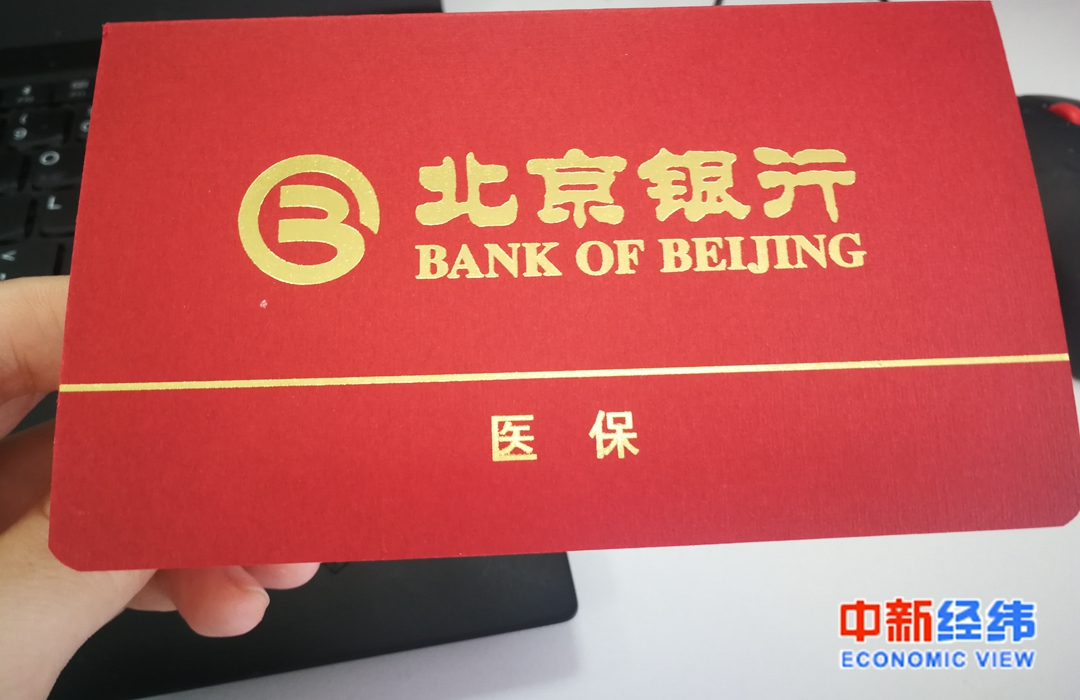
  Medical insurance passbook data map. Zhongxin Jingwei Zhang Yanzheng photo

  Improve the level of serious illness insurance.

  In order to improve the treatment guarantee mechanism, the National Medical Insurance Bureau and other departments require to consolidate the level of serious illness insurance protection. Fully implement the deductible line to reduce and unify it to half of the per capita disposable income of residents, and increase the proportion of payment within the policy to 60%, and encourage qualified areas to explore the cancellation of the ceiling line.

  Tianjin proposed to improve the reimbursement of major illness insurance. Unified deductible for serious illness insurance is determined in principle by 50% of the per capita disposable income of residents in the previous year. The deductible line of serious illness insurance will be increased to 100,000 yuan (inclusive), and the payment ratio will be increased from 50% to 60%; From 100,000 yuan to 200,000 yuan (inclusive), the payment ratio will be increased from 60% to 65%; For the expenses of 200,000 yuan to 300,000 yuan (inclusive), the payment ratio will remain unchanged at 70%.

  Tianjin also requested to increase the tilt payment of major illness insurance. We will continue to implement the policy of inclined payment of serious illness insurance to the disadvantaged groups. For the disadvantaged groups who participate in basic medical insurance, the minimum payment standard for serious illness insurance will be reduced by 50% on the basis of ordinary insured persons, and the payment ratio will be increased by 5 percentage points, and the capping line will be cancelled to further resolve the burden of serious illness expenses.

  Beijing has made it clear that after the insured persons of basic medical insurance for urban workers enjoyed the basic medical insurance benefits for urban workers in the previous year, the medical expenses paid by individuals within the scope of basic medical insurance policy, after deducting the amount of supplementary medical insurance and medical assistance for social assistance objects, exceeded the threshold (1.3 times of the threshold for urban and rural residents’ serious illness insurance) and were included in the scope of medical insurance for urban workers’ serious illness.

  Beijing pointed out that the medical expenses paid by individuals above (excluding) Qifubiaozhun and within 50,000 yuan (inclusive) will be paid by 60% of the large medical mutual funds of urban workers; More than 50 thousand yuan (excluding) above the individual pays medical expenses, 70% of which is paid by the large medical mutual aid funds of urban workers, and the upper limit is not capped. Medical insurance for serious illness of urban workers is settled once a year.

  Jiangsu requires that the policy of reducing the deductible line of major illness insurance for low-income population and increasing the reimbursement ratio of each reimbursement section be fully implemented. The coverage of serious illness insurance can be expanded from special diseases in hospitalization and outpatient service to chronic diseases in outpatient service, and the minimum reimbursement rate within the policy scope can be increased to 60%. Carry out special investigations on low-income people’s participation in basic medical insurance to ensure that low-income people should be fully insured and paid.

  National medical insurance bureau data map. Zhongxin Jingwei Dong Xiangyi photo

  Medical insurance payment for nucleic acid detection project

  Faced with the sudden outbreak of COVID-19, the National Medical Insurance Bureau and other departments issued a notice as early as January this year, and adopted a special reimbursement policy for patients diagnosed as "pneumonia in novel coronavirus". It will also expand the coverage of the comprehensive security policy established for confirmed patients to suspected patients with clear guidelines for diagnosis and treatment by the Health and Wellness Commission, so as to avoid the personal burden of suspected patients.

  On June 19th, the National Health Insurance Bureau further issued a notice, which made it clear that, on the basis of comprehensive consideration of the needs of prevention and control work in novel coronavirus and the payment ability of the local medical insurance fund, the nucleic acid and antibody testing items and related consumables carried out for Covid-19 should be included in the provincial medical insurance diagnosis and treatment items according to procedures, and the payment conditions should be determined simultaneously.

  According to the incomplete statistics of Sino-Singapore Jingwei client, as of July 3, at least eleven places including Shanghai, Chongqing, Hubei, Hunan, Zhejiang, Fujian, Shanxi, Sichuan, Anhui, Jilin and Heilongjiang have announced relevant measures.

  Among them, Chongqing has made it clear that the items and in-vitro diagnostic kits of "novel coronavirus nucleic acid detection" accepted by the insured persons of urban workers’ medical insurance and urban-rural residents’ cooperative medical insurance in Chongqing when they are newly hospitalized or treated in a fever clinic are included in Chongqing’s medical insurance reimbursement.

  Fujian requires that Covid-19 nucleic acid testing be temporarily included in the scope of hospitalization medical insurance payment in Fujian Province, without setting the proportion of individual paying first, and be reimbursed according to the basic medical insurance policy for employees and urban and rural residents.

  Jilin indicated that novel coronavirus nucleic acid detection medical service project will be included in the list of basic medical insurance diagnosis and treatment projects and medical service facilities in Jilin Province, novel coronavirus nucleic acid detection kit will be included in the list of medical consumables in basic medical insurance in Jilin Province, and the expenses for Covid-19 nucleic acid detection in designated medical institutions in basic medical insurance will be included in the payment scope of basic medical insurance fund in Jilin Province. (Zhongxin Jingwei APP)

The final of the first poetry invitational tournament of Chinese Braille Library was held in Wuhan.

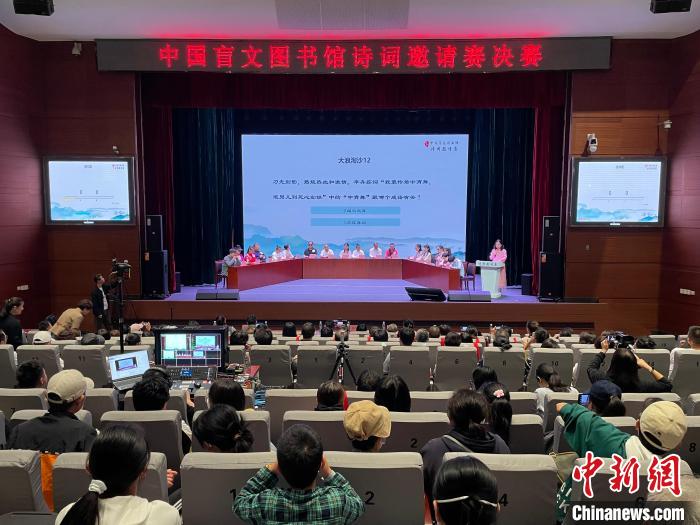
  Zhongxin. com, Wuhan, October 15 (Ma Furong, Zhu Jiayi) The final of the first poetry invitational tournament of Chinese Braille Library was held in Hubei Library on the 15th, and 18 visually impaired players competed for the championship through required answers, competing answers and flying orders.

The final scene. Photo by Ma Furong

  The contest is jointly sponsored by China Braille Library, China Braille Publishing House, China Association for the Blind, Hubei Disabled Persons’ Federation and Hubei Provincial Cultural Tourism Department, and is divided into three stages: preliminary contest, semi-final contest and final contest. The preliminaries were held in 20 divisions in Hubei, Shanghai, Inner Mongolia and other countries. After layers of competition, 18 players finally reached the finals.

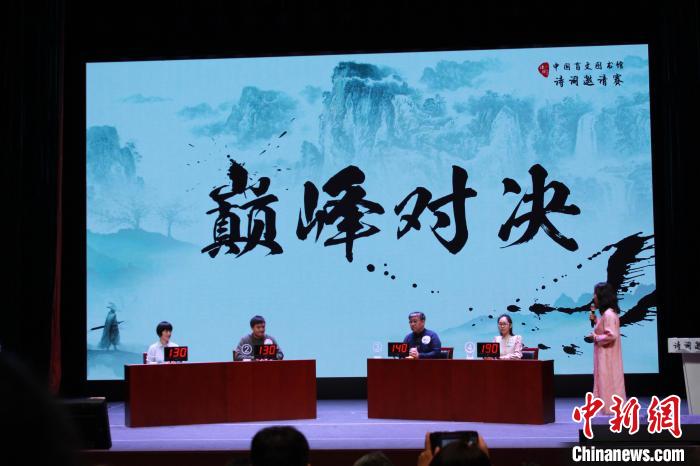
  The final of the day included big waves, flying flowers, and peak confrontation. Among them, there are 30 multiple-choice questions in the big waves and sand washing session. After the host reports the questions, the players will answer them with the answering machine and get extra points for correct answers. In the confrontation session of the Flying Flower Order, the contestants competed around the theme words such as "Moon", and the wonderful competition won applause from the audience from time to time.

The final scene. Photo courtesy of Hubei Provincial Library

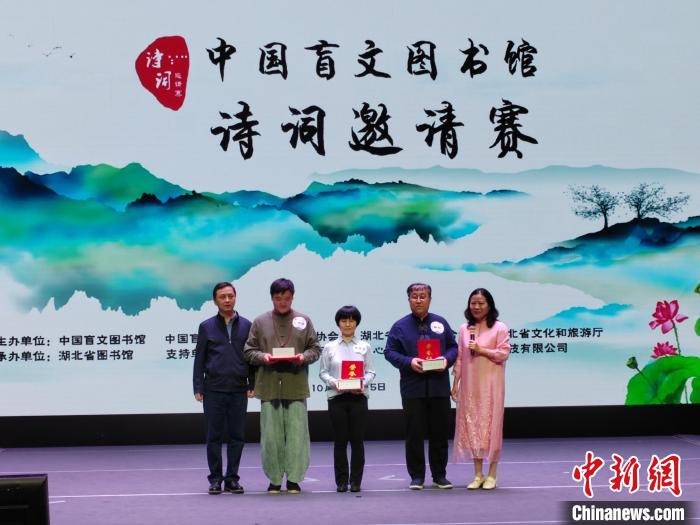
  In the end, Zhang Wanyi, a player from Guangdong, won the national championship. The competition also decided 3 first prizes, 4 second prizes and 10 third prizes. "Reciting ancient poems is like singing, and it is very enjoyable." Zhang Wanyi said in an interview after the game that she likes ancient poems very much, and she will memorize many of them when she goes to school.

  Feng Wenhui, a 13-year-old girl from Nanjing School for the Blind, who won the third prize, loved to read ancient poems since she was a child, especially Su Shi, a writer in the Northern Song Dynasty. "Su Shi always responded positively to setbacks, and his optimism and openness inspired me to keep moving forward." Feng Wenhui said.

Awarding prizes to the winners. Photo courtesy of Hubei Provincial Library

  He Chuan, deputy director of the Braille Library of China, expressed the hope that the contest would enrich the cultural activities of visually impaired groups, stimulate their interest in ancient poetry, and at the same time arouse the concern of the society for visually impaired groups to enjoy convenient public services. (End)

One party member, one flag, one branch and one fortress.

"Although we are in the center of the epidemic, although we work in isolation at home, although our traffic is strictly controlled, and although we still have various difficulties, we have not forgotten our responsibilities and our mission, even if the Wuhan epidemic is dangerous again, we will still go all out!" 

On January 24, New Year’s Eve, the second day of Wuhan’s "city closure". This day was supposed to be a festive day for family reunion, but the sudden ravages of novel coronavirus brought a haze to more than 10 million Wuhan people, and touched the nerves of hundreds of millions of people. Fighting "epidemic" is a battle, a race against time and life. There has been a serious shortage of medical facilities, protective equipment and disinfection drugs in Wuhan, and a lot of funds are urgently needed to purchase and supplement them. The Wuhan Municipal Government urgently asked the China Development Bank for 2 billion yuan in loan support!

Epidemic is the command, and money is life. Hubei Branch of CDB responded immediately, and in less than an hour, the whole chain of emergency loan business was strung together. Comrades in relevant departments risked being infected and immediately rushed to the front line of the war "epidemic".

Overcome difficulties and shoulder heavy burdens bravely

As far as branches are concerned, the first problem is how to use emergency loan funds in the front line of epidemic prevention and control in the shortest time. At this time, the comrades in the evaluation department took the initiative to shoulder the burden of business tandem, and under the command of the branch leaders, actively sought professional guidance from the head office, while coordinating the preparation of information by the customer office, while writing the evaluation credit report and consulting the border opinions. Pay attention to efficiency, seize time, overlap rules and prevent risks. On the afternoon of the same day, it was successfully reviewed by the branch loan committee and submitted to the head office for filing. In the evening, it realized the issuance and payment of 2 billion yuan of emergency loans, which once again created the speed of operation and demonstrated its mission.

At the same time, after the Head Office issued the emergency financing service mechanism for epidemic prevention and control, in order to protect the epidemic prevention safety of branch employees, the Evaluation Office immediately established an online communication platform for emergency loan evaluation of branches, promptly introduced and guided the emergency loan evaluation policy during the Spring Festival holiday, helped customers understand the emergency fund demand for fighting the epidemic and provided compliance financing plans.

Regardless of the family for everyone.

In this battle without smoke, the comrades of the Economic Management Office responded quickly and took the initiative to interpret their initial intentions and missions with practical and efficient actions. According to the unified deployment, on the one hand, everyone actively participated in the front line of work, and responded quickly and effectively in the aspects of scale planning, position management, loan pricing, contract signing and fund payment, which effectively guaranteed the emergency loans of branches; On the other hand, strictly abide by epidemic prevention and control measures and relevant regulations, strengthen publicity, prompt in time, and be diligent in greetings. While urging employees to protect their lives, they also let everyone, especially young employees who stay in China alone, feel the warmth of the big family.

There are many lesbians in the Economic Management Office, and they are always worried about their families: "When will you come back, mom? Where have you been?" It is already the middle of the fifth night of the Lunar New Year’s Eve, and Li Rui, who is sticking to her post, only vaguely responds to her 6-year-old daughter, because it is urgent to coordinate loan pricing and fund payment. During the period of epidemic prevention and control, Xu Dan’s family members kept coughing and feverish, but she did not forget to take responsibility, and insisted on monitoring and checking the epidemic situation of employees in the benefit every day … Everyone was United and went all out to contribute their strength to resolutely win the epidemic prevention and control war.

Race against time to make new contributions

"In order to alleviate the current supply problem of epidemic materials, we should issue emergency loans to pharmaceutical enterprises that undertake the task of purchasing emergency materials in Hubei Province." After receiving the emergency task, technology and finance Office quickly organized a team to fight the epidemic.

At 13:30 on January 29, everyone appeared in the industry on time: Zhang Wei has been on duty since New Year’s Eve, but he still insists that "I am the branch secretary, and I want to fight side by side with my colleagues"; Cao Shiyun voluntarily returned the return ticket. "It is the most meaningful Spring Festival I have ever spent to participate in the prevention and control of epidemic situation"; Li Yunmo overcame his parents’ poor health and his wife’s family difficulties shortly after giving birth, and resolutely chose to continue working; Liu Qi went out with a shower cap on his head to sign an emergency loan contract, which became a beautiful scenery on the street; Shang Wentao volunteered to help. "I’m Communist party member. What can I do for you?".

At 2:00 am on January 30, the team was still racing against time and working overtime. With the concerted efforts of all departments, the team finally achieved the "running speed" of completing the whole process of evaluation, signing, distribution and payment within 24 hours. They are racing against time and virus. They are a vanguard firmly standing in the front line of epidemic prevention and control, performing their duties, doing their best, making full efforts and making positive contributions, so that the honor of the national "Youth Civilization" will bloom even more.

Put down the reunion dinner, party member, and stand up.

After receiving the notice that 2 billion emergency loans for epidemic prevention and control will be issued to Wuhan on the same day, the Party branch of the operation office immediately entered a state of confrontation, and party member volunteered to undertake overtime tasks in an extraordinary period.

"I am in charge of settlement in the operation department, and I am an old party member. At this time, I will go there early, and other colleagues will be able to come over one person less, and there will be more security. " When receiving the task, Chen Song was preparing a reunion dinner. He immediately put down his housework, put on a mask and rushed to the branch sales department. After arriving at the branch, he actively communicated with the front office to implement the business requirements. After the loan issuance and fund payment processes were in place, he and his colleagues handled the related business as soon as possible to ensure that the emergency funds were remitted to the designated account on the same day.

On New Year’s Eve, Lv Liangjuan of the Credit Management Office was taking care of her sick child at home, but after receiving the notice of overtime work, she didn’t hesitate at all. When public transportation in Wuhan was suspended, her lover sent her to the unit and accompanied her to the end of work at night. After receiving the emergency loan task on the sixth day of Lunar New Year’s Eve, Li Ran overcame the difficulties of family and travel restrictions, and went to work with customers to complete the emergency loan contract signing and loan issuance to ensure that the funds were paid in place.

Everyone is an emergency attendant.

Every time the emergency duty is arranged, the office will arrange an emergency attendant to be on standby at all times, and this time, the emergency attendant has changed from one person to a team.

Late at night on the 29th of the twelfth lunar month, as soon as Yang Di got home, he received a phone call: 2 billion emergency loans will be issued for Wuhan tomorrow, and the office should be well protected! After receiving the instructions, he returned to work early the next morning, and it was already 9 o’clock in the evening when he was busy. This was the latest New Year’s Eve dinner he had. "The epidemic is the command, and prevention and control is the responsibility! If the work is done more carefully, the safety of employees can be more, and I feel worthy of myself! " Liuyong, who is in charge of administrative logistics support, immediately rushed to the office building and property personnel to implement power transmission, water supply and disinfection one by one after receiving the task to ensure the personal safety and health of the staff; Zhang Yangchun overcame his physical discomfort and made every effort to provide protective materials for the branch. He kept a close eye on the website and suppliers every day to purchase epidemic prevention supplies for the branch in advance to ensure the work demand.

This emergency duty team is always ready!

National Bureau of Statistics: In 2019, the profits of industrial enterprises above designated size exceeded 6 trillion yuan.

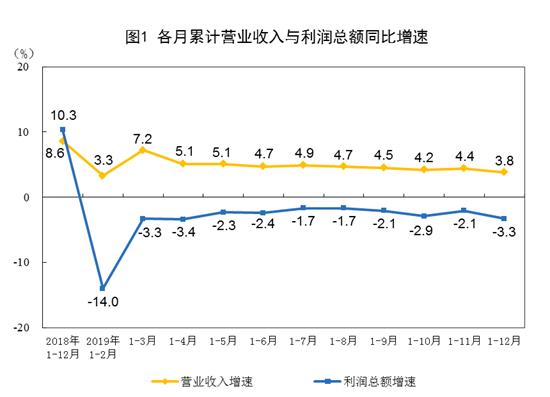
  CCTV News:According to the website of the National Bureau of Statistics, in 2019, the total profits of industrial enterprises above designated size nationwide reached 6,199.55 billion yuan, down 3.3% from the previous year.

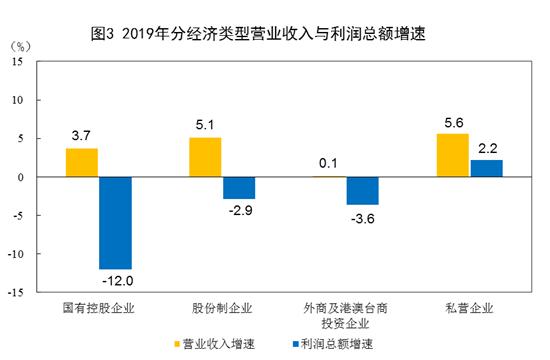
  In 2019, among industrial enterprises above designated size, state-owned holding enterprises realized a total profit of 1,635.55 billion yuan, down 12.0% from the previous year; Joint-stock enterprises realized a total profit of 4,528.39 billion yuan, down 2.9%; Foreign-funded enterprises and enterprises invested by Hong Kong, Macao and Taiwan realized a total profit of 1,558 billion yuan, down by 3.6%; Private enterprises realized a total profit of 1,818.19 billion yuan, an increase of 2.2%.

  In 2019, the mining industry achieved a total profit of 527.53 billion yuan, an increase of 1.7% over the previous year; The manufacturing industry realized a total profit of 5,190.39 billion yuan, down 5.2%; The electricity, heat, gas and water production and supply industries realized a total profit of 481.63 billion yuan, an increase of 15.4%.

  In 2019, among the 41 major industrial sectors, the total profit of 28 industries increased over the previous year, while that of 13 industries decreased. The profits of major industries are as follows: the total profits of power and heat production and supply industries increased by 19.0% over the previous year, the special equipment manufacturing industry increased by 12.9%, the electrical machinery and equipment manufacturing industry increased by 10.8%, the non-metallic mineral products industry increased by 7.5%, the agricultural and sideline food processing industry increased by 3.9%, the general equipment manufacturing industry increased by 3.7%, and the computer, communication and other electronic equipment manufacturing industries increased by 3.1%. Oil and gas mining industry increased by 1.8%, nonferrous metal smelting and rolling processing industry increased by 1.2%, oil, coal and other fuel processing industry decreased by 42.5%, ferrous metal smelting and rolling processing industry decreased by 37.6%, chemical raw materials and chemical products manufacturing industry decreased by 25.6%, automobile manufacturing industry decreased by 15.9%, textile industry decreased by 10.9%, and coal mining and washing industry decreased by 2.4%.

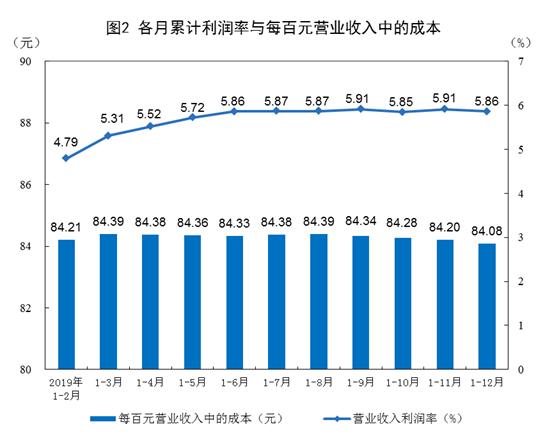
  In 2019, industrial enterprises above designated size achieved operating income of 105.78 trillion yuan, an increase of 3.8% over the previous year; The operating cost was 88.94 trillion yuan, an increase of 4.1%; The profit rate of operating income was 5.86%, which was 0.43 percentage points lower than the previous year.

  At the end of 2019, the assets of industrial enterprises above designated size totaled 119.14 trillion yuan, an increase of 5.8% over the end of the previous year; Total liabilities were 67.39 trillion yuan, up by 5.4%; Owners’ equity totaled 51.75 trillion yuan, an increase of 6.5%; The asset-liability ratio was 56.6%, 0.2 percentage points lower than the end of last year.

  At the end of 2019, the notes and accounts receivable of industrial enterprises above designated size were 17.40 trillion yuan, an increase of 4.5% over the end of the previous year; The inventory of finished products was 4,328.38 billion yuan, an increase of 2.0%.

  In 2019, the cost per 100 yuan of operating income of industrial enterprises above designated size was 84.08 yuan, an increase of 0.18 yuan over the previous year; The cost per 100 yuan of operating income was 8.97 yuan, an increase of 0.27 yuan over the previous year.

  At the end of 2019, the operating income of industrial enterprises above designated size per 100 yuan of assets was 92.4 yuan, a decrease of 2.1 yuan from the end of last year; The per capita operating income was 1.411 million yuan, an increase of 108,000 yuan over the end of last year; The turnover days of finished goods inventory was 16.9 days, which was the same as the end of last year; The average payback period of notes receivable and accounts receivable was 53.7 days, 2.0 days more than the end of last year.

  In December 2019, the total profits of industrial enterprises above designated size reached 588.39 billion yuan, down 6.3% year-on-year, and increased 5.4% year-on-year in November.

Corruption in the management of state-owned enterprises has brought bad atmosphere to the group, and even the doormen have to take cards.

  Core reading

  Once we ignore the strict administration of the party in an all-round way and do not continue to promote the building of a clean and honest party style, the development of state-owned enterprises will suffer from corruption. The former Rizhao Port Group is a typical example: from the management to the grass-roots workers, they seek personal gain in violation of regulations, steal from the inside, eat and get cards, unhealthy practices prevail, and enterprises lose money year after year.

  After more than a year’s work style rectification, deepening reform and strengthening party building, has Rizhao Port cleaned up the residual poison and ushered in a new life? How to strictly manage the party in an all-round way in the state-owned enterprises? The reporter started a field visit.

  "Do you want to give leaders a gift? How much to send? It’s time to adjust your position after the next year. Do you have to send more? " In previous years, every year, Sheng Ruijian, an employee of Shandong Rizhao Port Group, was particularly uneasy. Like Sheng Ruijian, there are many employees in Rizhao Port. However, this year’s New Year’s Day, Sheng Ruijian had a particularly easy time. This change stems from more than a year of anti-corruption rectification.

  Before Du Chuanzhi, former party secretary and chairman of Rizhao Port Group, was dismissed, the atmosphere of the group was unhealthy, and many employees’ minds were focused on running relationships and "earning extra money", so the group’s operating conditions fell into a continuous downturn. From 2007 to 2016, the net profit attributable to the parent company of the group was as high as 1.67 billion yuan in 10 years, despite the substantial increase in throughput year after year.

  Since January 2017, Rizhao Municipal Committee has launched an "anti-corruption storm" in Rizhao Port. At the same time, it has carried out all-round rectification and reform of Rizhao Port Group, shoveled cancer and changed its style of work, and promoted "comprehensive and strict management of enterprises" with "comprehensive and strict management of the party" to bring Rizhao Port back to life.

  A sieve that leaks air everywhere.

  The corruption of senior executives is serious, which brings bad atmosphere to the group. Even the doormen and stevedores eat and get cards.

  Rizhao is thriving because of the establishment of a city in Hong Kong and relying on Hong Kong. In 2016, the throughput of Rizhao Port exceeded 350 million tons, ranking tenth in the country. Its rise and fall is related to the stability of the development of Rizhao City.

  On December 29th, 2016, a short message was posted on the website of Supervision Bureau of Rizhao City Commission for Discipline Inspection: Du Chuanzhi, Party Secretary of State-owned Assets Supervision and Administration Commission of Rizhao City, accepted an organization investigation. Before being transferred to SASAC in November, Du Chuanzhi served as Party Secretary and Chairman of Rizhao Port Group for a long time. This news opened the curtain of the comprehensive rectification and reform of Rizhao Port.

  With the deepening of the investigation, a series of stubborn diseases have surfaced in Rizhao Port.

  In recent years, Du Chuanzhi has used his power and port resources to amass wealth, receiving property equivalent to more than 40 million yuan, and his relatives and special related persons have used his influence to make profits in Rizhao Port in violation of regulations. Abuse of power, transfer benefits of 30 million yuan to ESOP. In the house where the property is hidden, high-grade tobacco and alcohol, gold ornaments and ivory jade are piled everywhere, and some ginseng and cordyceps are moldy. Du also kept mistresses for a long time, and his life was corrupt.

  In his repentance book, Du Chuanzhi admitted that he chose the wrong frame of reference, compared with private bosses, and regarded the so-called buddy loyalty based on the pursuit of material desires as the standard. "I feel that I have brought a tens of millions of tons of ports to hundreds of millions of tons in 10 years, and my contribution is quite big. What is it to collect something?"

  A crooked stick will have a crooked shadow. Under the influence of Du Chuanzhi, the main members of the Rizhao Port team at that time took the lead in violating the rules for personal gain and corruption; Some middle and senior managers use related trade and other means to invade state-owned assets and steal from themselves; From top managers to grass-roots workers, they eat and get cards, do business in violation of regulations, and contract projects … … The profit of the parent company has been negative for 10 years in a row, but there are more than 800 affiliated enterprises, large and small, without any loss.

  Li Haiping, the current deputy secretary of the Discipline Inspection Commission of Rizhao Port Group and Minister of Supervision, analyzed that Du Chuanzhi’s personal corruption is serious, which has ruined the atmosphere of the whole group. Everyone’s mind is not on the entrepreneurship of the officers, and even the doormen and stevedores eat and get cards … … Fei Weidong, director of the inspection office of Rizhao Municipal Committee, described Rizhao Port before the rectification as a sieve that leaks air everywhere. It is not surprising that small holes are not filled and large holes are flooded, and enterprises have suffered losses for years.

  Internal and external connections, relying on Hong Kong to eat Hong Kong, Rizhao Port has become a "Tang monk meat" that everyone can eat. According to statistics, before the incident, there were 284 cadres and workers in Rizhao Port who had run enterprises through business, and 203 relatives and children had run enterprises through business. Under the unified deployment of Rizhao Municipal Committee, the relevant departments filed 49 cases of corruption in Rizhao Port with 51 people. The Commission for Discipline Inspection of Rizhao Port Group filed 69 cases against disciplinary personnel and punished 69 people. Among them, Du Chuanzhi was expelled from the Party and public office, and was sentenced to 17 years in prison at first instance.

  A rectification of scraping bone and curing poison

  From not holding a party Committee once in five years to 41 times a year, we have strengthened party building while fighting corruption and promoting reform.

  On January 17, 2017, Rizhao Municipal Party Committee and Municipal Government set up a leading group for the rectification and reform of Rizhao Port Group Co., Ltd., headed by the principal responsible comrades of the Municipal Party Committee. On the one hand, it strengthened anti-corruption with iron fists and completely eradicated "pollution sources"; On the other hand, bring order out of chaos and vigorously promote the deepening reform of the port.

  "The series of corruption cases in Rizhao Port show that unhealthy practices and corruption are just symptoms, the party’s concept is indifferent, the party’s leadership is blurred and weakened, the party’s construction is lacking, the organization is lax, and discipline is slack. It is precisely because the responsibility of strictly administering the party in an all-round way has not been implemented that Rizhao Port has become an independent kingdom and private territory. " Tang Zhan, member of the Standing Committee of Rizhao Municipal Committee and secretary of the Municipal Commission for Discipline Inspection, said.

  Li Haiping analyzed that in 1980s, Rizhao Port was directly managed by the Ministry of Communications, and was handed over to Rizhao City in 2002. However, due to the special status of Rizhao Port, the city did not dare to take care of Rizhao Port, and Du Chuanzhi always regarded himself as a departmental cadre and refused to take care of it.

  The inspection of Rizhao Municipal Committee found that since 2012, Rizhao Port Group has not held a party committee meeting. Only 12 of the 31 branches are equipped with full-time secretaries. Most grass-roots party organizations have not changed their terms since their establishment, and their activities are simplified, formalized and administrative.

  Under the impetus of comprehensive rectification, Rizhao Port has set itself a hard standard of "reform to the end" and promoted "comprehensive and strict management of enterprises" with "comprehensive and strict management of the party". In 2017, the party Committee was held 41 times to study 128 "three majors and one big" issues; Extensively carry out party spirit education, purpose education and warning education covering all staff; Printing and distributing the Opinions on Strengthening the Standardization Construction of Grass-roots Party Branches, and establishing the system of grasping the "three lists" of grass-roots party building; In view of the feedback from the municipal party Committee’s inspection, 157 specific rectification measures were studied and formulated, and 27 clues assigned by the municipal party Committee were investigated in depth and dealt with … …

  In order to solve the problems of overstaffed group organizations, excessive levels and resource barriers, through "merging departments, withdrawing departments and reducing staff", the headquarters offices were consolidated from 13 to 10, and the institutional settings with strong administrative colors such as departments and departments were completely abolished. The staffing was reduced from 232 to 102, a decrease of 57%, and the staffing of middle managers was reduced by 32%.

  Rizhao Port has successively carried out six reforms in organs, institutions, personnel system, salary distribution system, labor employment system and material supply system. Six loss-making units were merged, 109 original agents were banned, and more than 90% of the main production materials were directly purchased by manufacturers. In order to form a good orientation for entrepreneurs, Rizhao Port has set up a new salary distribution system, increased the night shift allowance for front-line employees and the allowance for team leaders, and established a good orientation for the income to tilt to front-line posts, high-skilled posts and "hard work and dirty insurance" posts.

  A baptism of rebirth from the fire

  Investigate and deal with a series of corruption cases, eliminate the cancer of development, and the port reappears the breeze of entrepreneurship.

  "Investigating and handling a series of corruption cases and rectifying reforms have eliminated the cancer of development and United people’s hearts. The political ecology of Rizhao Port has undergone fundamental changes." Chen Xiaohong, the representative of the 19th National Congress of the Communist Party of China and the monitor of the women’s class of the stacker-reclaimer of the ore loading team of Rizhao Port Group No.2 Company, said frankly that the team leader was once a job that no one wanted to do, but now the wind is clean and the wages are rising, and everyone is very motivated.

  Chen Xiaohong said that after a year in put in order, the port reappeared the breeze and righteousness of the entrepreneurial director. Cai Zhongtang, the current Party Secretary and Chairman of Rizhao Port, introduced that in 2017, 1-mdash; In November, Rizhao Port realized a total profit and tax of 1.236 billion yuan, an increase of 49.29%; The profit was 930 million yuan, an increase of 93.04%, reaching the best level since the establishment of Hong Kong. The net profit attributable to the parent company was 180 million yuan, which turned from negative to positive for the first time in 10 years, realizing a rebirth.

  Cai Zhongtang said that the port will continue to lay a solid foundation for party building, implement the leading and political core position of the party committee in the corporate governance structure, and improve the rules of procedure of the party committee meeting and the "three majors and one big" decision-making procedure. He is full of confidence in the future of Rizhao Port: seize the opportunity of "Belt and Road", explore and promote the reform of mixed ownership, and expand a broader space for the development of the port.

  Taking the opportunity of investigating and dealing with a series of corruption problems in Rizhao Port, Rizhao City focused on three outstanding problems: "not being an official", formalism and bureaucracy, and violating the spirit of the eight central regulations, and deployed to carry out centralized rectification of work style construction. With the continuous improvement of political ecology, the economic development of Rizhao City is also moving forward steadily.

  "If a local atmosphere is unhealthy and corruption is prevalent, party member cadres will not have the mind to start a business, the normal market order will be destroyed, and the economy will not develop healthily." Liu Xingtai, secretary of the Rizhao Municipal Party Committee, said, "The investigation and punishment of corruption in Rizhao Port once again proves that corruption is the biggest cancer of economic development, and a clean environment is the most important guarantee for economic development."

Maybach S-Class, plug-in hybrid is not just a hipster, but a good student in large cars

I will arrange it for you by the way today. Let’s take a look together.

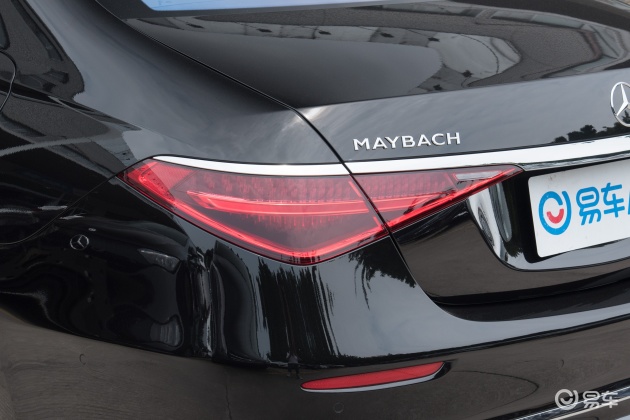
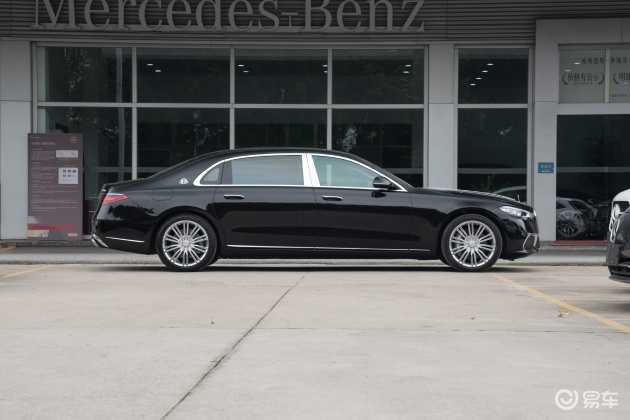
Take a look at the Maybach S-class, plug-in hybrid appearance, Maybach S-class, plug-in hybrid front shape looks relatively tough, looks sporty. Then with the sporty headlights, the visual effect looks quite fashionable and atmospheric. The car is equipped with LED daytime running lights, automatic opening and closing, adaptive far and near light, automatic steering, delayed closing, etc. Come to the side, the car body size is 5470MM*1921MM*1510MM, the car adopts comfortable lines, the side looks very capable, with large-sized thick-walled tires, the shape is quite dynamic. In terms of rear design, Maybach S-class, the overall shape of the plug-in hybrid rear echoes the front face, and the taillights show a delicate design style, and the shape is more personalized.

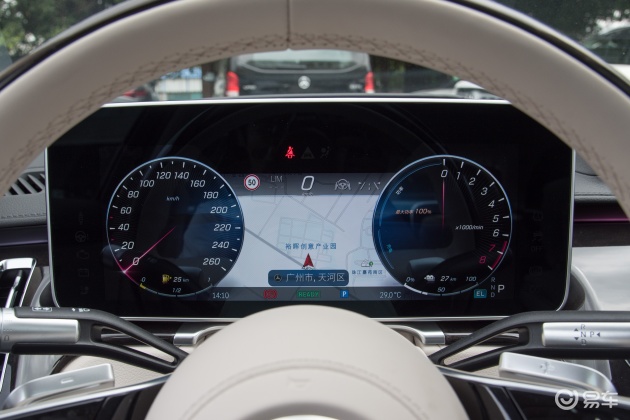
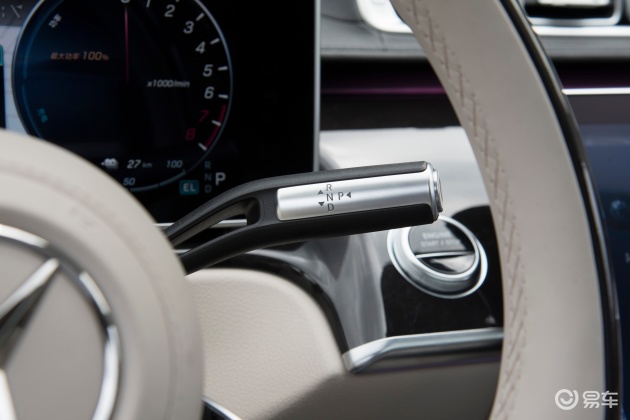
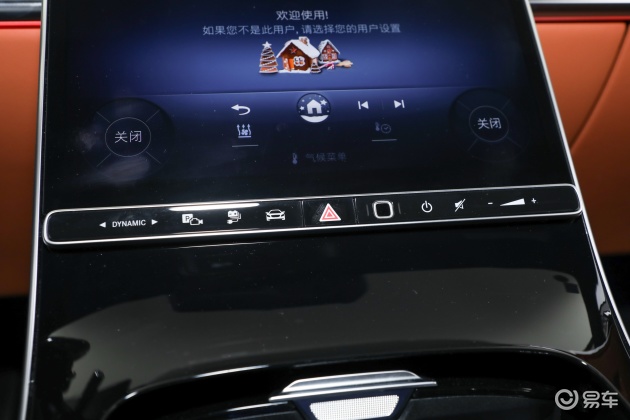
Coming to the Maybach S-Class, the plug-in hybrid car, Maybach S-Class, the plug-in hybrid interior design looks cool and full of combat atmosphere. The steering wheel of the car is well designed, using genuine leather and wood materials, and the shape is sturdy. From the central control point of view, with the 12.8-inch central control screen, the interior design is quite layered and looks very unique. The interior feels good, let’s take a look at the dashboard and seats. The dashboard of the car presents an avant-garde and personalized design style, and the trendy design elements make people remember it at a glance. The car uses leather seats, and the seats are wrapped in place, making it very comfortable to ride.

The car is equipped with vehicle to everything, driving mode selection, remote control key, rear window sunshade, interior ambient light and other configurations, the configuration performance is still relatively good, to some extent improve the convenience of the driver.

This car has already been introduced, and I believe that many users who buy a car have taken a fancy to its comfort and practicality. If you are also concerned, you might as well experience it.

"Made in Chongqing" dark blue car G318 debuted, leading a number of technologies in the new hardcore SUV

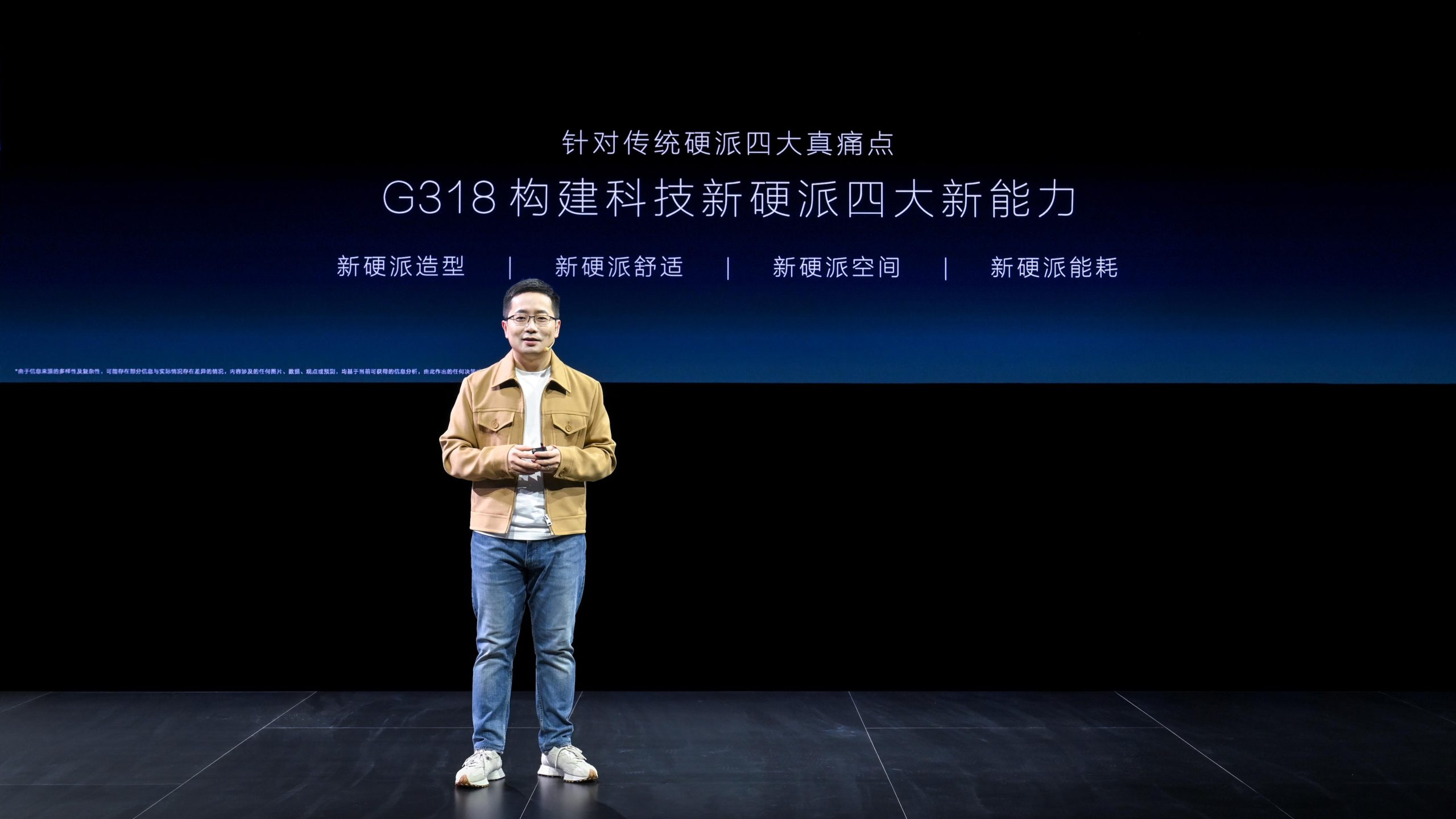
On March 18, 2024, Deep Blue Auto held the "Deep Blue G318 Experience Day and Deep Blue Super Range Extension Technology Evolution Day" in Chengdu. Deep Blue G318UncoveredMystery, while Deep Blue Auto CEO Deng Chenghao released the technology of Deep Blue Super Range Extension 2.0.

Defined as a "new hardcore SUV of science and technology", the dark blue car G318 made a stunning appearance by climbing a 60-degree steep slope. In terms of appearance, the dark blue G318 adopts the design concept of cybermetal and rough stone cutting, which is as hardcore and stylish as an interstellar battleship, with a wind resistance coefficient of only 0.35Cd.

The interior is equipped with a 14.6-inch large screen size, and the screen is more concise and reliable with a built-in design. Most of the daily function buttons are integrated under the screen, reflecting the combination of G318 technology and hardcore.

The G318 is the first model equipped with dark blue super range extension 2.0 power technology, and the innovative technology is the first in 10 world and the only in 2 industries. For example, the world’s highest oil-to-electricity conversion efficiency in mass production, 1L of oil can generate 3.63 kWh of electricity; the force superconcentration electric drive 2.0 assembly working condition efficiency reaches 92.59%.

The new car adopts dual motor four-wheel drive, full working conditions true four-wheel drive, zero hundred acceleration of 6.3 seconds, maximum power 316kw, wheel end peak torque 6200N · m. Compared with traditional fuel four-wheel drive, the power response is twice as fast, supports OurHours true four-wheel drive, torque stepless distribution. Equipped with a central stepless differential lock and a magnetic mechanical differential lock, it has a strong escape ability and can realize in-situ U-turn. Feed fuel consumption is as low as 7.4L/100km.

The G318 adopts a load-bearing body with a torsional stiffness of 45000Nm/deg. It is equipped with a double fork arm + multi-link + R-EPS steering system, with an active magic carpet "eye of perspective". It integrates five terrain modes: wading mode, snow mode, rugged mode, mud mode, and sand mode. It covers a variety of terrain, and the driving feeling is comfortable and flexible. The internal space is very large, and it can statically bear 300kg. The room rate of the car length reaches 61%. It has the qualification of trailing to 1.6T.

In addition to the "new hard-core SUV" G318, Deep Blue Auto will build a strong product matrix in the next three years, deeply cultivating 6 product series, and launching a total of more than 12 new and modified models at the rhythm of more than 2 new products per year.

ZTE and Black Sesame Intelligence create a "chip + microkernel OS" smart driving ecosystem

A few days ago, at the "Smart Galaxy, Win-Win Future" theme seminar hosted by the China Automobile Industry Association Software Branch China Automotive Basic Software Ecological Standards Committee (hereinafter referred to as "AUTOSEMO"), ZTE and Black Sesame Intelligent released the fusion perception and reasoning solution. This is the first fully self-developed microkernel in China to achieve full self-driving business process connection on the Black Sesame A1000 hardware platform, which means that the two sides have taken a solid step in building "local core" + "local soft" solutions in the field of smart driving.

In the tide of automotive intelligence, the development of autonomous driving technology cannot be separated from the collaboration between semiconductors and basic software fields. The technical integration and ecological creation of software and hardware have become the key to promoting industry development and technological progress. The micro-kernel operating system for ZTE vehicles is based on the Black Sesame A1000 chip to complete the ecological adaptation of software and hardware required for self-driving business. It supports multiple drivers such as cameras, CSI, ISP, NPU, IPC, and the upper AI inference framework. The A1000 chip has the ability to support the perception, planning, and control of all services in autonomous driving scenarios.

According to reports, the technical achievement has been successfully promoted and demonstrated in the main engine factory, which has been highly recognized. The successful adaptation of ZTE’s automotive microkernel operating system and Black Sesame A1000 chip has also created a domestic software and hardware ecosystem cooperation paradigm for the industry, strengthening the confidence of upstream and downstream partners in domestic autonomous driving software and hardware solutions.

In terms of chips, the Black Sesame Intelligent Huashan No. 2 A1000 chip fully supports L2 + and above intelligent driving scenarios. As the first chip platform in China to support a single-chip integrated domain controller, the Huashan No. 2 A1000 chip provides 58TOPS hardware computing power under INT8 accuracy and can handle up to 16 high definition camera inputs. At the same time, based on the efficient and mature IP core, chip architecture and tool chain design of Black Sesame Intelligent, the Huashan No. 2 A1000 series chip fully supports the comprehensive software deployment of ecological partners including bottom software, middleware and functional algorithms.

The joint efforts of the industrial chain to build a development model that combines soft and hard are crucial for the automotive industry. ZTE said that it will continue to deepen cooperation with ecological partners such as Black Sesame Intelligence in Product Research & Development, ecological collaboration, project planning, etc., to promote the mass production of technological innovation achievements, and jointly create a mature, stable and mass-produced autonomous driving overall solution to achieve ecological co-construction and help China’s intelligent development of automobiles.

"China Quality News" [Information Express]